Airplanes are a prime example of things that intrigue me. I wanted to experience flying, understand how airplanes work, and learn to fly them as long as I can remember. Model airplanes were much more accessible for a farm boy than the real thing though. This story relates the first phase of my interest in airplanes. I had no idea at the time, but Kansas was the light plane capitol of the world then.

I had virtually no contact with real airplanes until World War II began, other than what I heard in radio programs and read in magazines. After the war started airplanes were always in the news, and in the skies over our farm. The Navy had a primary training base 20 miles south of us. The Army Air Corps had a bomber training base 50 miles NE of us. Serendipity.
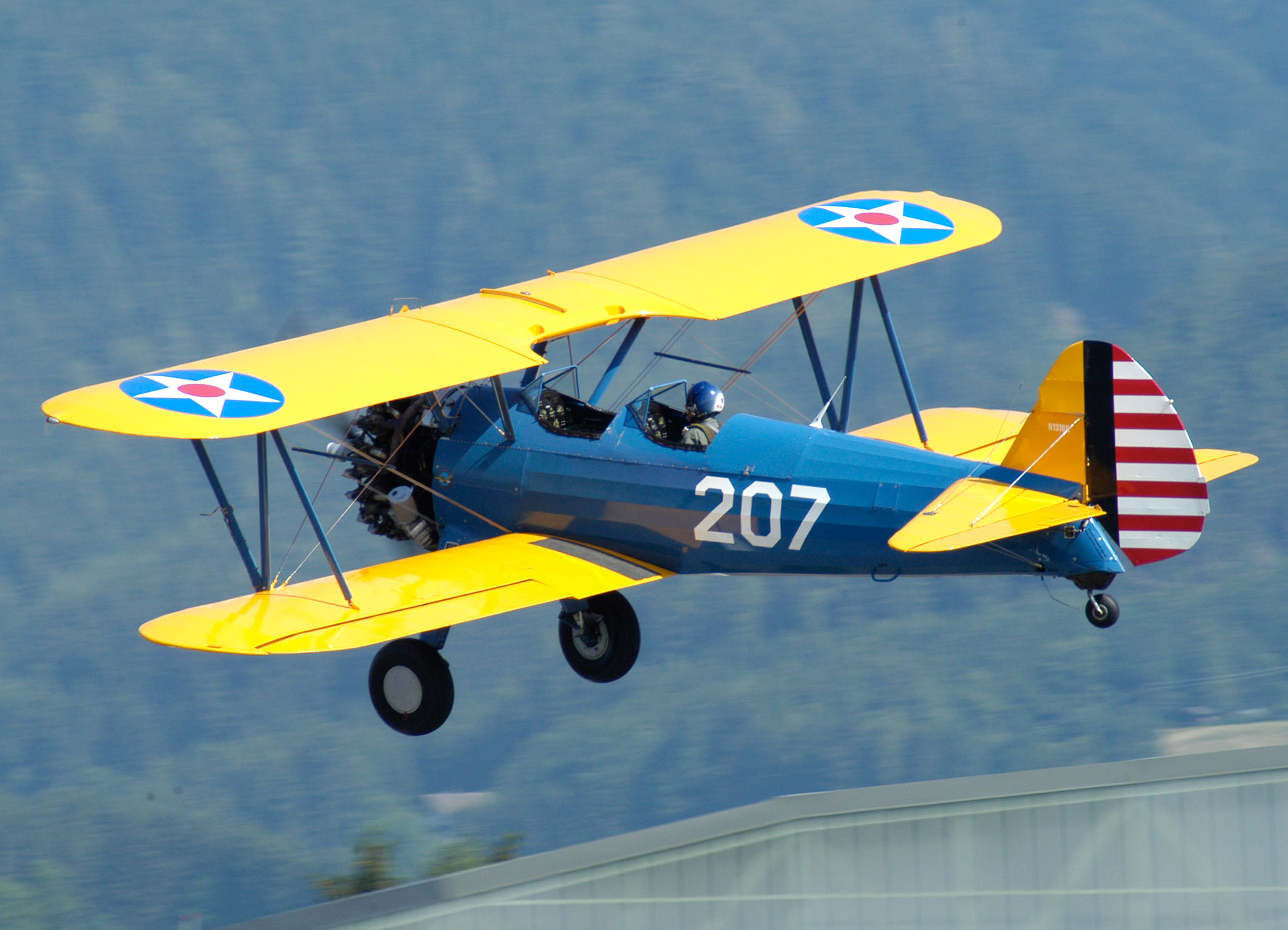 We saw Naval cadets flying their Stearman biplanes over our farm many times. Sometimes a formation of B-17 or B-29 bombers flew over. One day scores of formations were in the sky. One after another flew by for two or three hours.
I was totally intrigued by all those planes. One time a Navy cadet flew low over our place. We ran out of the house and waved wildly. He kept coming back to fly over us, and we kept waving.
The next thing was a complete surprise. He flew across the wheat stubble field on the other side of the road at about 50 feet. We ran over there of course. He flew over the field a few more times. We thought he might land, and he did. Then he taxied right up to where we were.
The Stearman became my permanent favorite airplane right then. I never forgot how splendid that big yellow biplane looked. The pilot got out of the cockpit, stood on the lower wing walkway, and adjusted the straps on his parachute harness. Then he came over to talk to us. He said he was getting a cramp in his leg, but admitted that was a ruse in case they asked why he landed out there. After a few minutes, he took off, flew back over us waving his wings, and left. After the war, you could buy a Stearman for $500. You’d pay $250,000 for a nice one today.
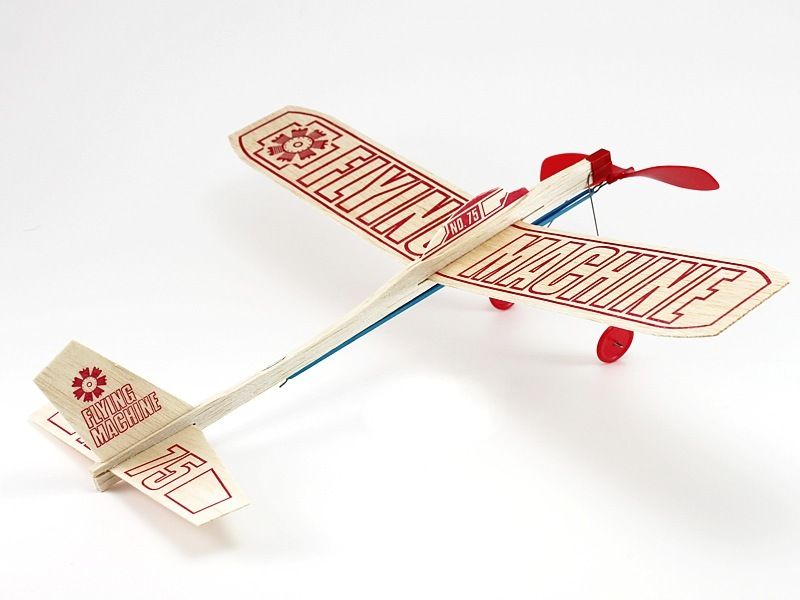 My brother Paul and I built non-flying models of various military aircraft soon after the war started. Then, much like the Wrights, we began to build gliders that did fly. Just a slab of balsa wood for the fuselage, and another tapered piece for wings. Later on, we added rubber bands for power. I hand carved the propellers out of white pine.
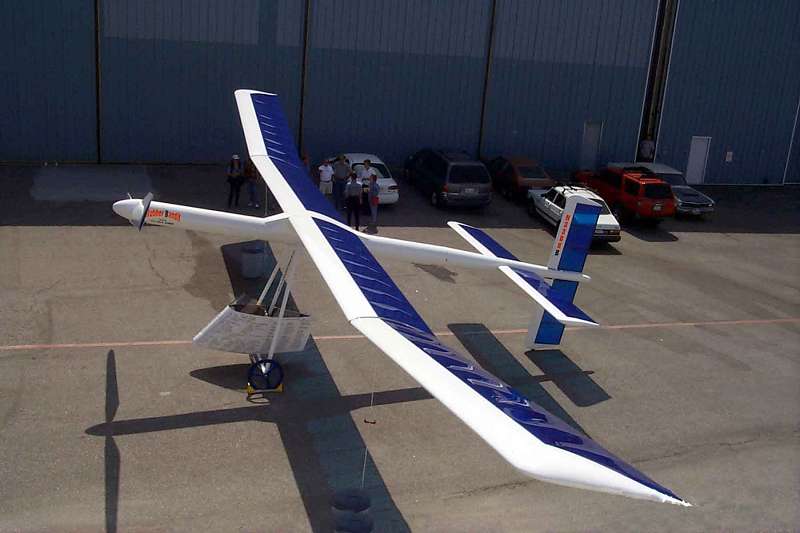
The “Rubber Bandit” is an interesting throwback. It was a full-size airplane powered by rubber bands. I’m sure it could have flown, but the builder ran into personal difficulties that interfered his preparations to fly it.
The next step for us was more realistic models, built up much like real airplanes were. We assembled small pieces of balsa using “model airplane glue” to make the wings and fuselages. We covered the airframes with a tough material called “silk span”. The last step was “doping” the model (using a sort of lacquer) to tighten the silkspan by shrinking it. It came in colors so we devised our own color themes. Rubber bands still provided the power.
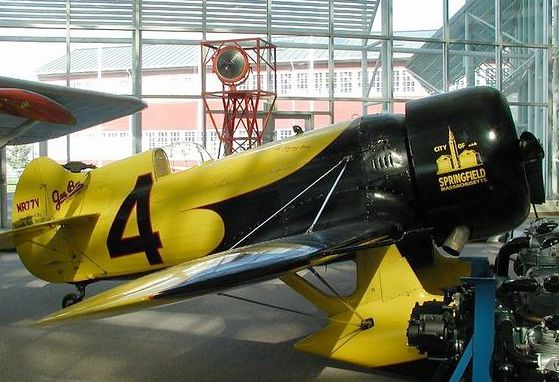 Then an amazing thing happened. Our teacher bought a model airplane kit for the school, complete with a real engine. It was a model of the GeeBee Z.
Mr. Van Dyke commissioned me to build and fly it. That was the biggest model airplane project that I had undertaken by far. I was able to fly it, but I also crashed it several times. That’s a picture of the real airplane that our model was based on.
Fifty years later I found out why it was so hard to fly that model. It was a scale model of a GeeBee air racer. Real GeeBees are just as tricky to fly as our model was. The last GeeBee was the Model R2. A famous aviator, Jimmy Doolittle, won two air races in the R1 sister ship. [story and pictures] There’s more about GeeBee racers and the R2, but I’m saving that for another story.
We went on to build more sensible model airplanes with lighter and more powerful engines. They were easier to fly than that first one. We built one for free-flight too. It was small, light and had a tiny engine. The idea was to trim the airplane to fly in circles and launch it. You hoped it would wander into a thermal (rising column of air) before the engine ran out of gas. We had some success, and then one day a thermal lifted it about 1,500 feet. It drifted with the wind to the other side of the river about a mile from our place. We went over to find it the next day and found a mouse had chewed up the sponge rubber wheels.
The last model I built was an inch per foot scale replica of “Lil’ Stinker.” I built it from scratch when I was in college. The color pattern was red with white stripes, and it had a checkerboard pattern on the bottom. Curtis Pitts designed and built the original Lil’ Stinker for himself. [story and pictures]
There were no other airplanes like Lil’ Stinker at that time. He sold it to Betty Skelton and continued to design and build improved versions. I never dreamed I’d fly real Pitts Specials one day myself. [story and pictures] There’s more to come on Curtis Pitts and his airplanes.

 Didit.Live
So that’s where you started your love for airplanes. I can just see you guys running through that field. It must have been quite a site to see!!
LikeLike