In my previous post, I said flying was losing its luster for me. This was before the Internet. I was reading the newspaper. I spotted an ad that offered free glider ground school at Henley Aerodrome. That is the legacy term for a flying field. You learn the basics of flight, navigation, regulations, etc., at ground school. I’d never heard of Henley, but gliders intrigued me, and I decided to take a look. Serendipity?
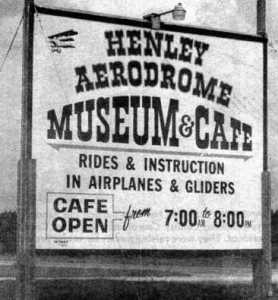 Ground school for gliders is similar to the one I’d been through for powered flight. Henley looked like most small, rural airports, except this one had a restaurant. The first person I met happened to be the glider instructor. I told him I had a pilot license for powered airplanes, but I wanted to fly gliders too. The instructor (I’ve forgotten his name) said, “Oh, you can learn what you need for gliders during flight training. What we need to do is get you up in the air in one.” Off we went. My instructor was a math professor at Central Washington State. He was a glider flight instructor at Henley in the summer. He said, “I can’t believe they’re paying me to do this Phil,” during the flight
 The most common way to launch gliders is with a towplane. It’s like towing a car. The tail of the towplane is connected to the nose of the glider with a towrope. Your ground handler — gliders only have one wheel, so you need someone to keep the wings level when you are sitting still — gives the towplane pilot a signal, and off you go into the wild blue yonder. The glider takes off first. You keep it a few feet above the runway until the towplane takes off. Then the towplane takes you up to the altitude you’ve paid for, usually 1,000 or 2,000 feet above ground level.
The glider pilot releases the towline at the agreed altitude. The towline is about 100 feet long. Both the towplane and glider have release hooks at their end of the towline. There’s less than 50 pounds of tension in the towline while ascending, so it doesn’t slow the towplane much. The glider pilot releases the towline at the agreed altitude, and banks away. After release, the towplane circles over the runway, drops the towline, and then returns for a landing. Meanwhile, the glider is off on its own. The towplane’s release hook can also serve as a safety measure in case something goes wrong.
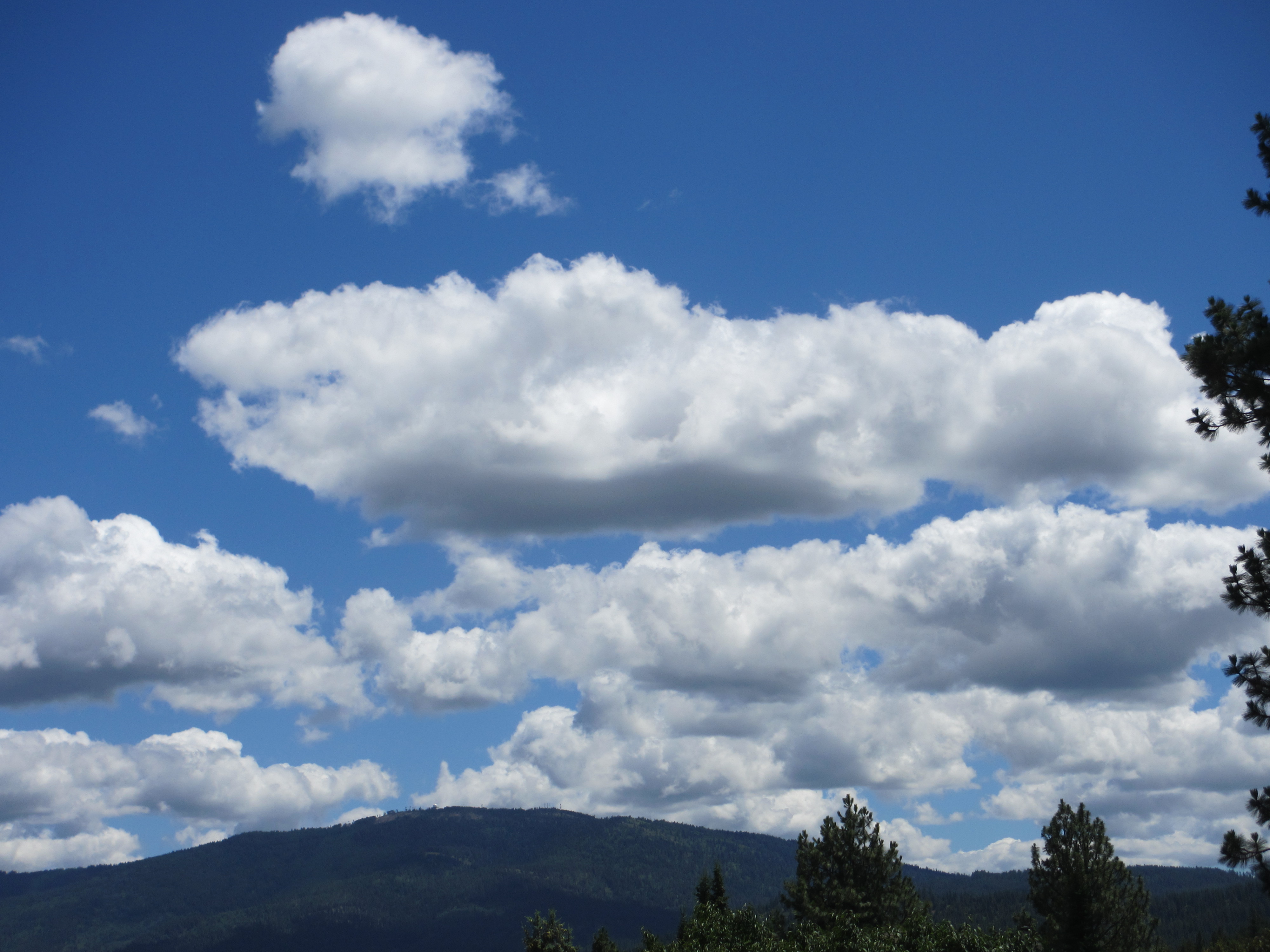
What goes up must come down. Yes, but not immediately if you’re in a glider. Gliders have at least a 20 to 1 glide ratio, and some sailplanes (sleek gliders) have glide ratios as high as 50 to 1. In the glider case, 1,000 feet of altitude will let you glide 20,000 feet, or nearly four miles. That would give you nearly 7 minutes to figure out where to land. Those 7 minutes can go by faster than you’d ever think, though.
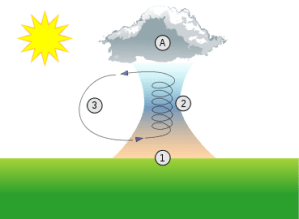 If you’re lucky you can stretch those 7 minutes to an hour, or even a few hours. With no power, your sink rate will be about 150 feet per minute. But if you can catch a thermal, which is a column of rising warm air, you’ll be lifted instead. Suppose the thermal is rising at 300 feet per minute. Your glider will be rising, not descending, at 150 feet per minute. You might gain another 2,000 feet in altitude. That would extend your flying time to 35 minutes. If you manage to do that again and again by finding more thermals you could keep going until the sun goes down. I was never up for more than hour though.
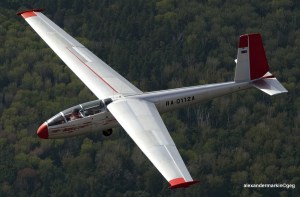
You need to pass a check ride to add a glider rating to your license. My instructor was also scheduled to renew his instructor rating on the same day as my glider check ride. There was a FAA examiner there for my instructor’s check ride. One of the things you do on a glider check ride is release the towrope shortly after takeoff. There was a strong wind that day, and I worried that the emergency landing might not go well. It would involve some deft maneuvering at least. I guess my instructor was also worried. We skipped that particular task, even though the FAA examiner might be watching. No doubt my instructor figured there must be some latitude to be sensible.
There was a strong wind that day, and I was worried that the emergency landing might not go well. It would involve some deft maneuvering at least. I guess my instructor was also worried. We skipped that particular task, even though the FAA examiner might be watching. No doubt my instructor figured there must be some latitude to be sensible.
We continued to climb to altitude, did some turns and stalls, boxing the wake, etc., and then headed back to land. At that point, my instructor engaged the dive brakes and told me that was part of the check ride. Then he asked me, “What are we going to do now?” Dive brakes cause the glider to lose altitude rapidly. I knew if I flew slower it would extend the flight time, and my time to think. I told him, “We’re going to fly slow, get a feel for our rate of descent, and adjust the landing pattern to compensate.
I stalled the glider as a safety check to find out what the stall speed was with dive brakes locked. Then I started my landing pattern, which took us away from the landing strip. That was to lose altitude. We hadn’t gone far when he asked, “Don’t you think you should turn back now?” I could tell we needed to lose much more altitude, so I answered, “No we’re still way too high.” He kept urging me to turn back, and I kept saying not quite yet. I turned back when I knew we high, but not too high. Now he began to fret that we were too high, and wouldn’t get down in time. I expected that, but I had a secret plan.
You don’t usually descend with drive brakes on. But if they are on you can dive to loose altitude without picking up airspeed. (Too much airspeed would mean using up too much runway before we could land.) I dove steeply toward the near end of the runway, rounded out at a nice airspeed and landed. I’m sure he was favorably impressed, if not outright relieved. I don’t know if his anxiety was real, or just a ruse to keep me from using my own judgment. And I didn’t ask. My dive brake tactic negated his fretting in either case. He signed off my check ride in my log book, and I had my glider rating. The FAA guy didn’t say anything either. He might not have been watching.
Links
Learning to fly gliders
Thermals: Wikipedia
Gliding: Wikipedia

 Didit.Live
Muy interesante’, (I’ll check my spelling later ). More later, gotta go now.
LikeLike
Have you used Google Translate? It’s powerful. https://translate.google.com/
LikeLike
and if you see flat bottomed clouds it’s a good gliding day?
LikeLike
Oh yes. If the bottoms are ragged, the thermals are dead.
LikeLike