Touring Montana

I was in my upper 60s when I started bicycle touring. I found myself without a company car after some “downsizing”. I thought what the heck? I don’t need no stinkin’ car. I’ll commute to work on my bike. I didn’t want to use my nice touring bicycle, so I converted my 12-speed Bianchi to 18 speeds, and rode it in fair weather. I rode my mountain bike when the weather was nasty.

Riding with the bicycle club in addition to commuting put me in top shape. My first tour was well within my capability. The problem was, it was too short. I decided two weeks for my second tour would be about right. (I found that it was — for that kind of tour.)
bigfork
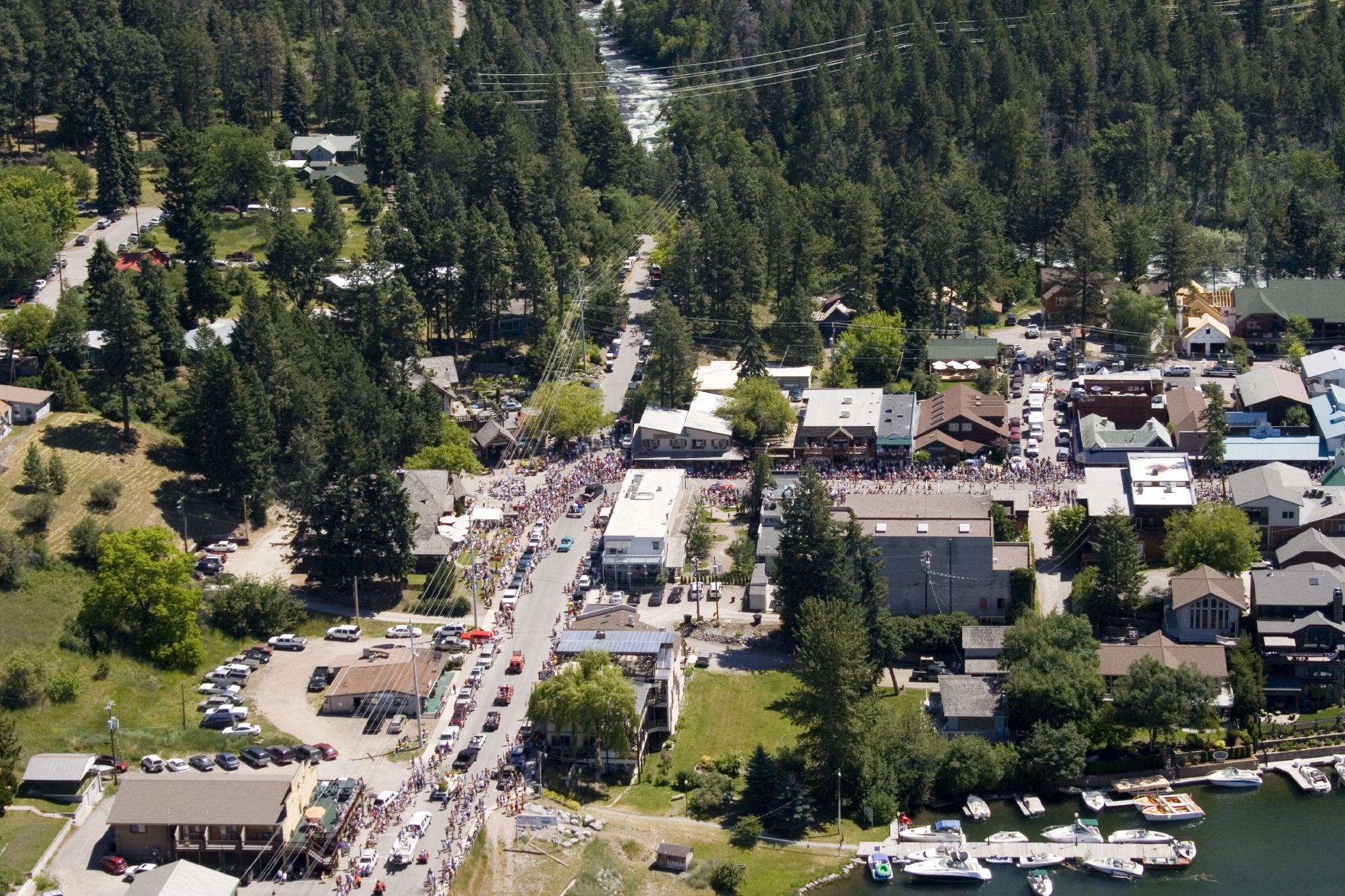
4th of July parade in Bigfork, Montana

Many Cycle America tours are segments of a coast-to-coast ride. Each tour starts where the last one ended. For this one, I drove to the Helena airport to park — $10 per week 🙂 — and Cycle America picked several of us up there. We drove to West Glacier, which was where my tour ended the summer before.

The first leg of our tour of Montana was from West Glacier to the little town of Bigfork, Montana, which used to be a rough-and-tumble logging town. It’s primarily an art colony now. We camped at the high school. You could sleep in the gym or in your tent. The gym did not seem conducive to a good night’s sleep, so I only showered there.
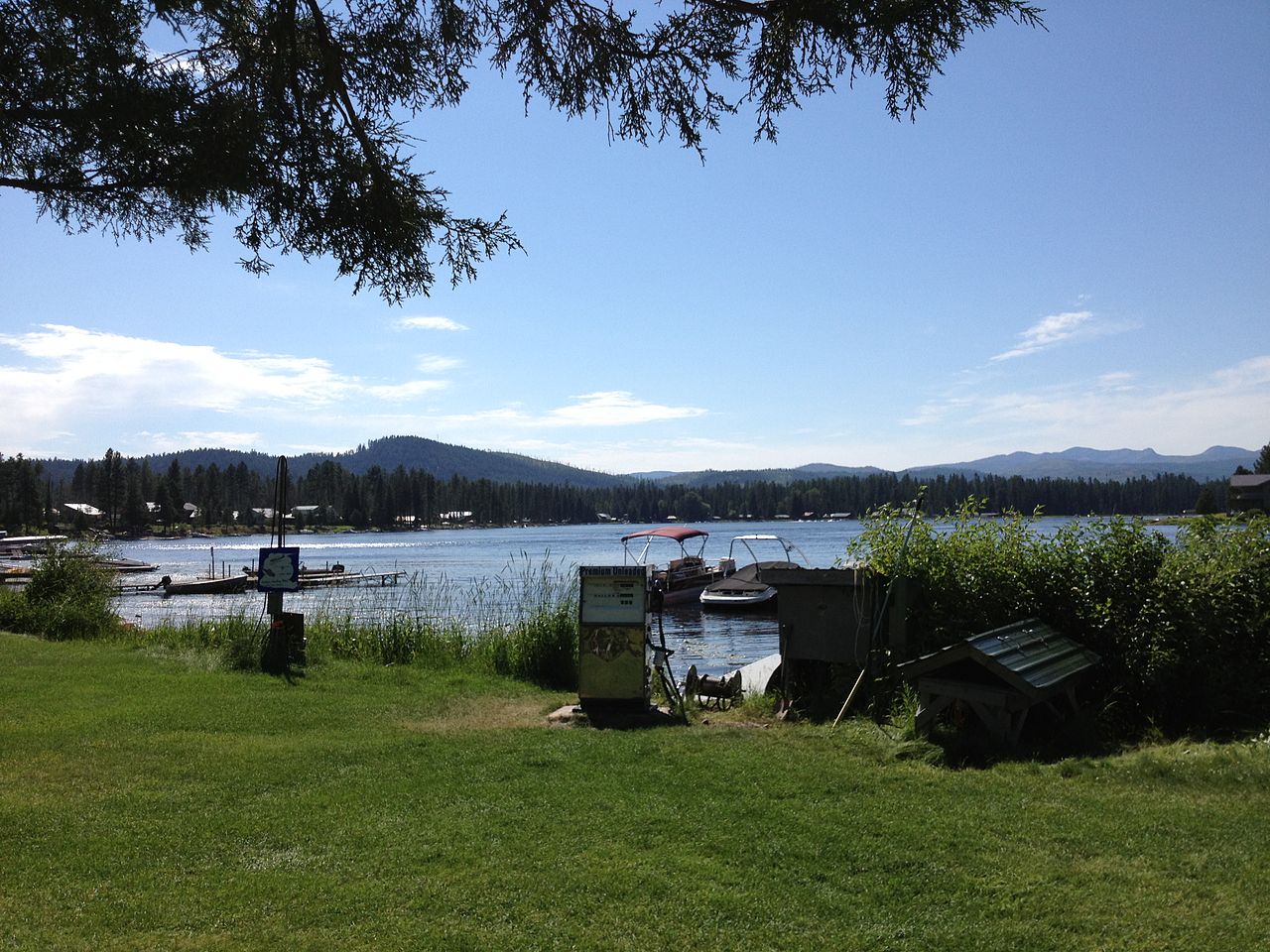
Seeley Lake ~
Seeley Lake ~Djembayz – Own work, CC BY-SA 3.0, https://commons.wikimedia.org/w/index.php?curid=27376541

The next leg was sixty five miles through the Swan River Valley, a world-famous bucket list route. We ended up at Seeley Lake, another nice little town.

The next day we stopped at Lincoln, where Ted Kaczynski, the Unabomber, had holed up. Lincoln is one of the few real towns in the mountains that still exist. It is just the right size, and isolated enough to prosper.

We were riding in the middle of the summer, but the weather turned cold and drizzly the next day. I only had fingerless gloves, and my hands were painful from the cold. When we got Helena we stopped at a bike shop that some of the riders knew about. I snagged a pair of full-finger gloves there. What a relief.
threeforks
The mountains beyond the Madison River at Three Forks

We went on to Townsend on the Missouri River that day. It’s near Three Forks, where the Missouri headwaters begin. The Jefferson, Madison and Gallatin rivers all squeeze through a narrow gap in a big ridge there to form the Missouri. I still remember the gorgeous sunset we had at Townsend.

The next leg was a long ride up the Madison River. The headwind and altitude made it a real challenge. We ate at Wheat Montana along the way. They grow and grind their own wheat, bake the bread and make wonderful sandwiches. After fighting the wind most of the way, we arrived at a beautiful campground near West Yellowstone.

The next day we took a short ride through the northwest corner of Yellowstone National Park. We saw many buffalo, a “river” of obsidian, and the mineral terraces at Mammoth Hot Springs along the way. We ended up at Gardener on the Yellowstone river. It is a small (pop = 900) one-sided town. Yellowstone is on the other side of the main street. We camped on the lawn behind the all-in-one public school there.

We were off our bikes the next day. Many of us took a bus tour of the main attractions at Yellowstone: We saw hotsprings, mineral formations, wildlife, Yellowstone Falls, the lake, Old Faithful, etc. At one point, we spotted what looked like a wolf. It was a coyote though. The driver explain that after wolves were eradicated in Yellowstone, the coyotes there evolved to fill the wolf niche. They became large enough to take down deer and elk with ease.
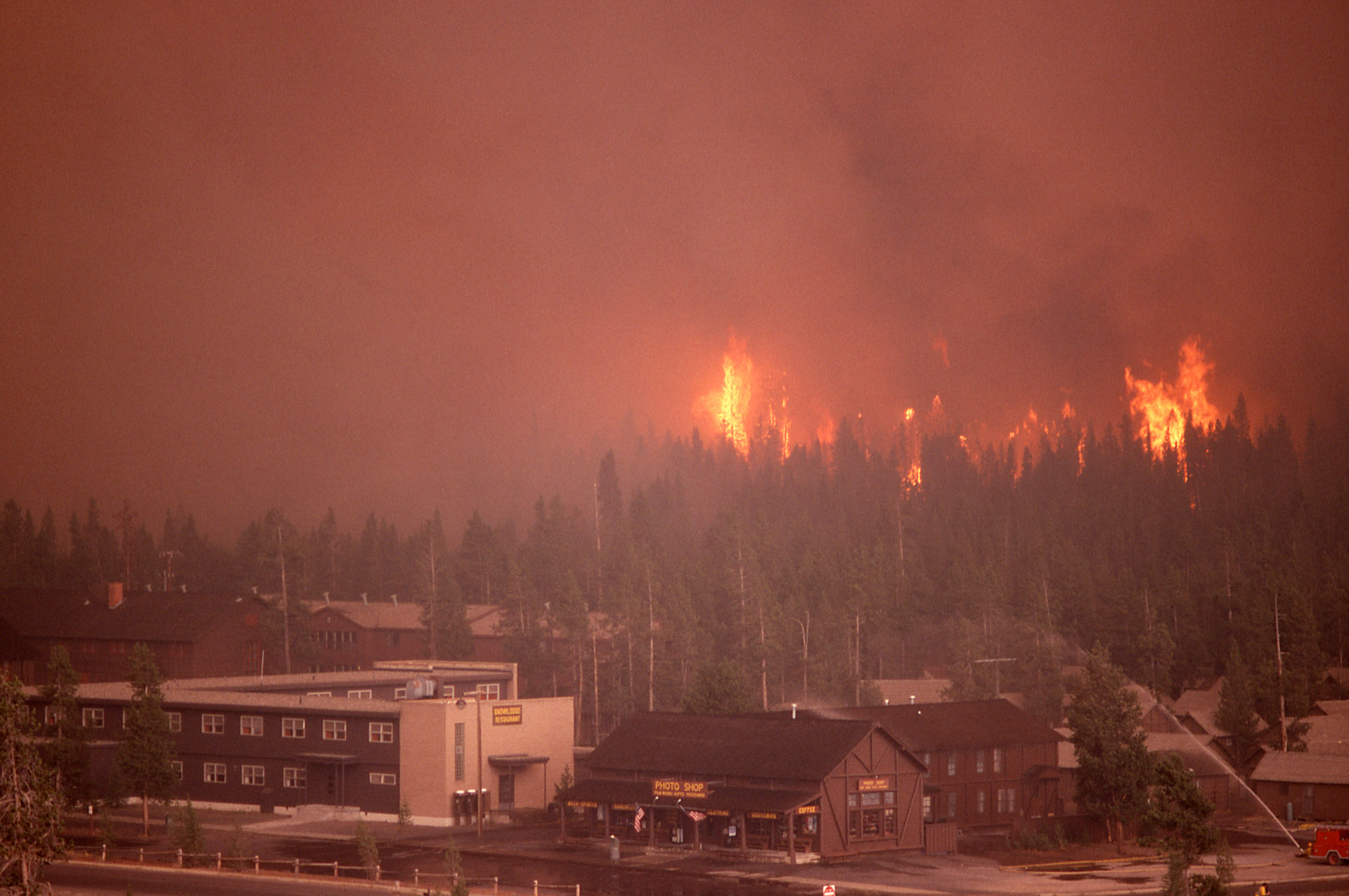
lodgeOur driver had been at Yellowstone for many years. He was at Yellowstone Lodge when the 1988 fires devasted the park. They thought they were safe, but the wind shifted and cut off the escape route.

He had a plan though. He could drive the bus out in the big bare area around Old Faithful while everything burned around them. Fortunately, the wind changed again, and the firefighters were able to stop the fire several minutes before it reached the lodge. If the lodge went, it would have been an irreplaceable loss.

The rest of our tour after Gardener followed the Yellowstone river. We were now on the return route that Lewis and Clark took. Just like the river, the ride was all downhill from there. Well not really. There were more than enough ups and downs to get a good workout every day. Livingston has a grand old train depot. It was part of the railroad’s enticement to get eastern grandees to visit Yellowstone. They put their passengers on stage coaches at Livingston for the trip up to Yellowstone.

If you’ve driven across Montana, you know the road goes on and on and on. We were covering it 70 miles at a time. We rode on the shoulder of Interstate 90 some, and on side roads when we could. It might seem that going that distance would be boring. But it’s not when you travel on a bicycle. Unlike traveling in a car, your mind is occupied with the details of the slowly unfolding landscape, not the slow passage of time.

We camped along the Boulder River at the little town of Big Timber (which now has a Tesla charging station) after lunch at Livingston. The next stop was the big town of Billings, and after that we camped at the small towns of Forsyth and Glendive. The tour ended at Glendive, which is about 20 miles from North Dakota. The next day, we rode all the way back to Helena in a van. Now that was boring.
 

Accidental Bicycle Tourist

Like most kids, brother Paul and I were keen on riding bikes. They increased our mobility of course, but in retrospect we never went far. Mostly we just messed around. One time we rode three miles to a bridge over the Little Arkansas River. I think that six-mile round trip was our record. It made us feel quite intrepid. Bicycling wasn’t an experience that I was eager to expand at the time though.

Many years later I learned that Bob Kurth, an engineer who worked for me, went to California’s Central Valley almost every weekend to ride his bicycle. I thought it was incredible that anyone would want to ride a bicycle 100 to 150 miles in a day. Especially some old guy like him (55). Little did I know. 😀

Meanwhile, I took up running. I wanted to stay in shape for backpacking and ocean sailing. I continued to run after we moved to Veradale, and worked up to 5 mile and 10 kilometer “fun runs”. One day I read a book that described what running does to your body. I went out and bought a bicycle the next day.

I selected a 12-speed Bianchi “racing bicycle”. I soon found that it was a poor choice. I could not ride it back up our hill to get home. I had to walk. I’d never ridden up hills in Kansas, so I didn’t even think about that dimension. Oh well.

I soon learned about mountain bikes, and the fact that they were 18-speed. Maybe that would do the trick. I could ride that mountain bike right up our hill after working at it hard for two or three months.

A mountain bike is not well suited to the road though. Then I learned about a big bike sale. I went to see what the alternatives were. I found a Bridgestone bike that was ideal. It was light weight, had 21-speeds, and was a bargain. Later on I learned that Bridgestones were legendary touring bicycles.

It wasn’t long until I learned about the Spokane Bicycle Club, and the rides they had each weekend. They put on “easy rides” that were 20 to 30 miles in length and long rides that were 60 to 80 miles. Some of the rides were “Centuries” (100 miles).

I decided to try some of the shorter rides, but first I needed to work up to the point were I could easily ride 10 to 15 miles. I had no trouble keeping up on several of their easy rides, so I tried some longer rides. They were challenging at first, but I gradually developed the conditioning I needed to keep up.

I was reading Bicycling Magazine by then, and I learned about the bicycle tours that Cycle America ran. You could sign up for a week, two weeks, or more. I decided on one week. The tour was about 400 miles long. (Their tours are quite a bit more expensive now.)

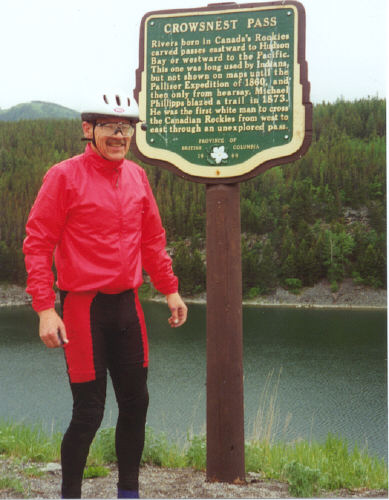
Crowsnest
This is me. Freezing in the mist on Crowsnest Pass.

This first tour started in Westport, WA. We went to Libbey, MT, and then up to Fernie, BC, and over Crowsnest Pass to the east side of the Rockies. On the way back we went down to Glacier National Park, and over “Going-to-the-Sun” road to the west side of the Rockies.

There were about 150 riders on the tour. Cycle America took care of everything for us. We slept in our own tents. They trucked our tents, sleeping bags, clothes, and personal items to the next campground. We had lunch at a nice spot along the way, and had catered dinners and breakfasts near our campground. I was hooked on bicycle touring.

El Toro — Part Three

Click images to see them larger.

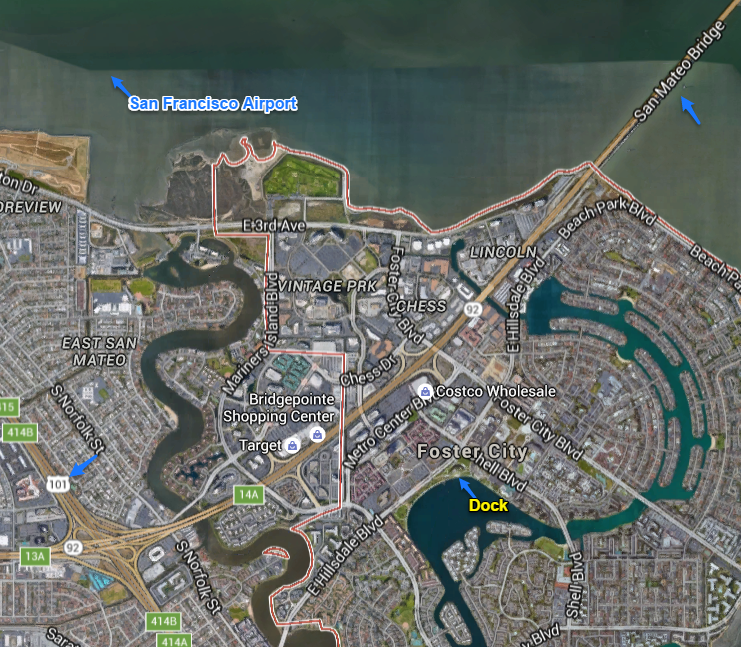
foster-cityFoster City is built on mud dredged from San Francisco Bay. Someday an earthquake will liquefy it, and the whole enchilada will flow into the bay. But that didn’t bother the HP Sailing Club. The winds there range from good to fierce when the fog rolls in to San Francisco.  If the tide was in and fog was forecast for San Francisco, we headed to Foster City to race.

Wind added another dimension to races at Foster City — capsizing. El Toros had enough flotation for you to crawl back in if you capsized. You could get in and bail like mad, and then try to catch up with the fleet. The race course was about a half a mile long. Twice around took around 15 minutes. Capsizing cost you about one minute, so you just might make it up. You probably wouldn’t be the only boat to capsize either, so it was well worth bailing out and going on.

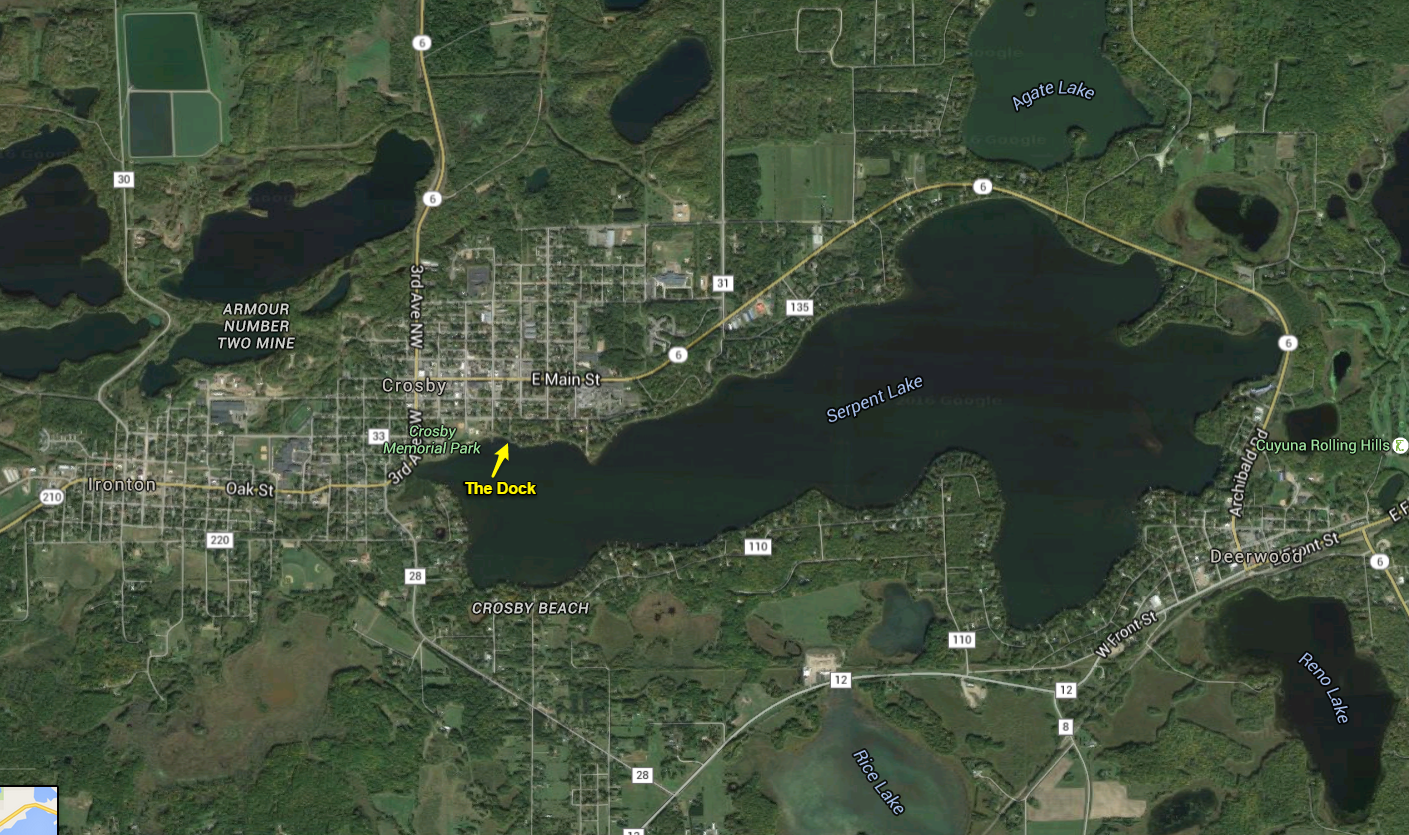
SerpentThere’s more about Foster City, but first we need to go to Minnesota. Our family trekked to Minnesota every few years. We took the El Toro one time. It was great to have a week to sail any time we felt like it. And we could tie the boat to the dock instead of hauling it home at the end of each day.

We were invited to spend a couple of days at Marcia’s cousin Alaine’s cabin on [Correction] Pelican Lake. Pelican is bigger and more open than Serpent Lake, and the wind was about 20 knots. That lead to big waves with about 15 feet between crests. The sailing club had a standing argument about whether or not you could get an El Toro to surf. Most of the “experts” didn’t think so. It had a  rounded bottom, and was just too short in their opinion.

I was intimidated by the waves at Pelican Lake that day. But then I decided to see if I could use the wind and the waves to surf (plane) my El Toro. It took a while to discover the right technique, but after a while I could surf any time I wanted to. Hot dog. It wasn’t long after we got back home that I had a chance to try surfing at a Foster City race. There were no waves there, but the wind was stronger than at Gull Lake.

Sure enough, I was able to surf one leg of the race course with no trouble. I finished the race two minutes before anyone else. That amazed all of them. Our two best sailors saw how I did it though. They beat me in the next race, but not by much. The rest of the fleet was two minutes behind again. There were no more arguments about surfing El Toros after that.

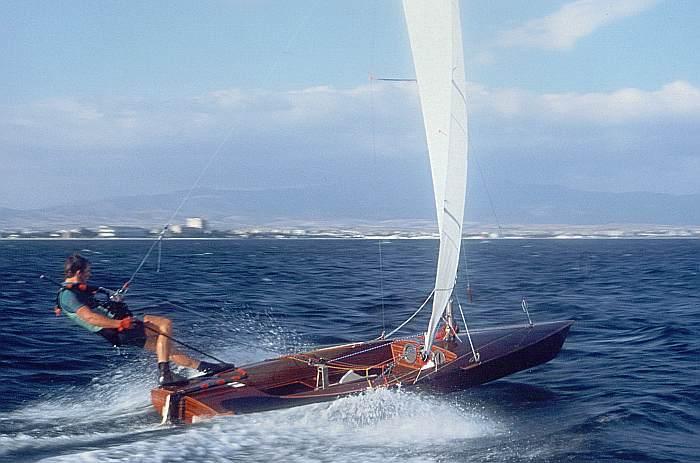
One-man Contender SailboatDave Gildea brought his Contender in addition to his El Toro one race day. He let me try to sail it, but I could not get it going. This was before the advent of sailboards. If I’d had some Windsurfer experience, I  might have been able to sail the Contender, instead of abruptly capsizing it each time I tried.

The Contender has a big, powerful sail like a Hobie Cat, but it has a narrow, single hull. It’s like learning to ride a bicycle. You have to develop a feel for balancing the power of the sail against your position on the boat. There was an alternative though. The wide beam of a catamaran makes it vastly more stable than a Contender, and by then I was also considering a Hobie Cat.

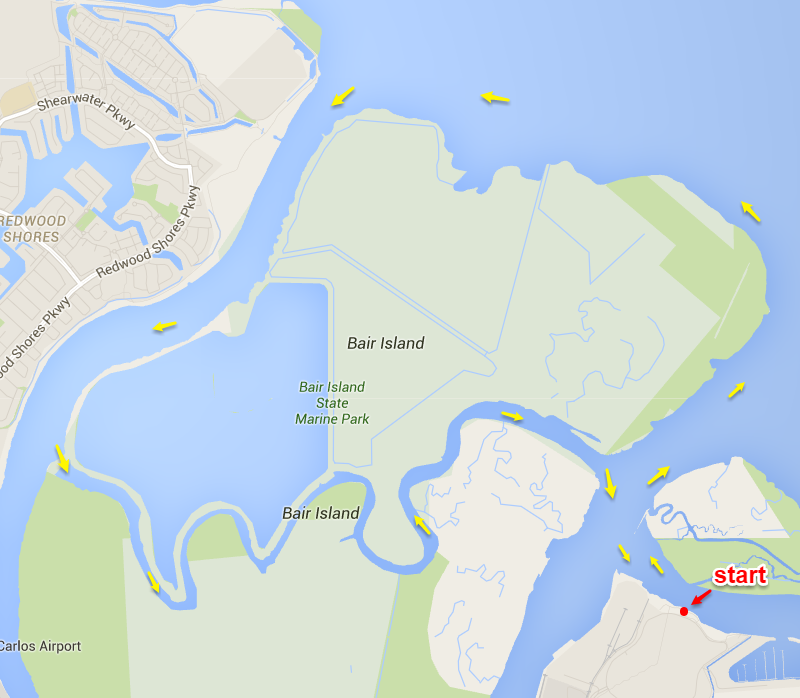
corkscrewWe also held an El Toro race every few years at Corkscrew Slew, another place on the bay. The slew is about 100 feet wide, so it requires a lot of tacking to make your way through it. It’s shallow too. You can’t get too near the banks, or your rudder will get stuck in the mud. Around 50 boats showed up for those races. You can imagine the confusion that followed.

El Toro — Part Two

One-man Contender Sailboat

The HP Sailing Club wasn’t just some random group of geeky engineers. We had some serious competitors in the fleet. My friend Dave Gildea was one of the best and was often a winner. Dave also sailed a beast of a boat, the Contender. He went on to spend 5 years sailing a 26 footer in the South Pacific.

Dave came back looking for a job. One of the first things he said was, “Phil, I’m never getting on another sailboat.” I did have a job for Dave, but it wasn’t what he was looking for. While he was there, he told me the computer division at HP was looking for managers. I ended up back there a month later. We were in the minicomputer business then. PCs and printers came later.

worlds1
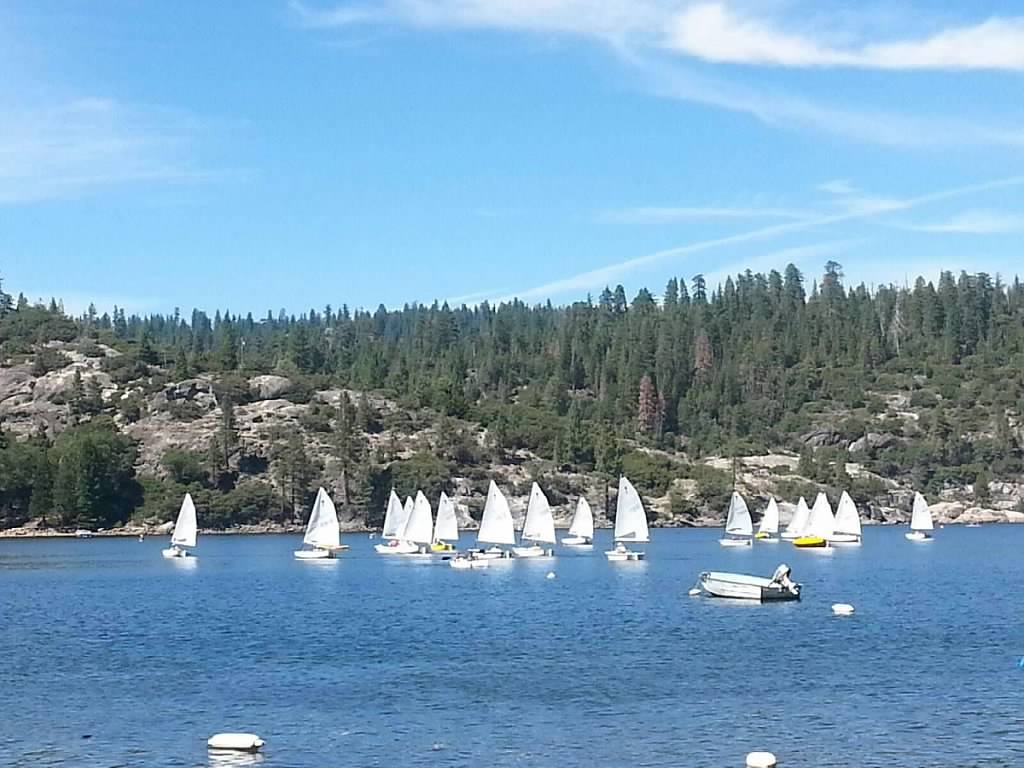
El Toro World Championship at Grand Lake, Colorado in 2015.

The El Toro originated with the Richmond Yacht Club on San Francisco Bay. There were a lot of El Toro sailors in the Bay Area. It may be surprising, but not inconceivable that one of our members, and also his brother, won World Championships in the El Toro class.

Sailors who weigh less than 160 pounds do well in El Toro races. The one in our fleet weighed about 150 pounds. He won about a third of our races. His brother, who didn’t race with us weighed about 200 pounds. That might be an advantage in strong winds, but I doubt that’s what they were like when he won the World Championship.

I think it’s reasonable to say competition in the HP Sailing Club was pretty stiff. How about me? After a couple of years learning, I usually ended up somewhere in the top five (out of ten to fifteen), but rarely won, with one notable exception (next post).

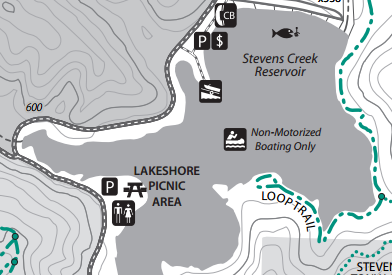
s'scrEl Toro races at Steven’s Creek Reservoir were much like a tempest in a teapot. The three legs of the racing course were between 1/4 and 1/2 mile, and we sailed twice around. We’d have at least two races. The winds ranged from erratic to moderate, and there were no waves, only ripples. Racing at Steven’s Creek called for precision sailing.

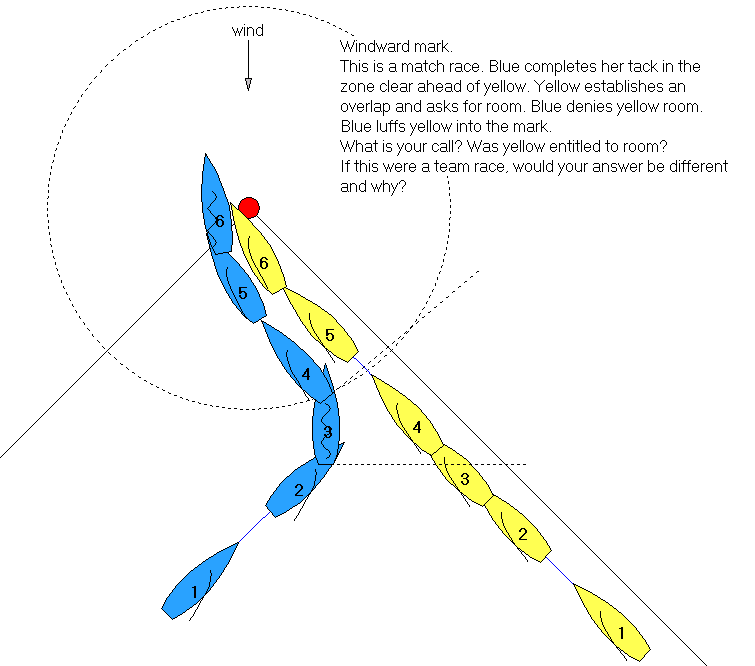
Events played out in slow motion, and race strategies often took advantage of subtleties in the rules of racing. There are 91 rules currently, but only 15 directly govern what boats do when they meet on the water. Those rules are where a lot of the fun is. Arguing about them after the race is also part of the fun. A bit like the rules of golf. [Racing Rules of Sailing]

In general, boats on starboard tack have near absolute right-of-way over boats on port tack. That rule makes starts particularly interesting, and is in play for much of the race.

rulesWhen boats are on the same tack, the boat to windward (the boat closest to the wind) must keep clear of a leeward boat. This one comes into play when sailing upwind, and it can be very frustrating for a boat that would otherwise win.

Why? The windward sailor may be forced to sail closer to the wind to avoid “falling off” toward the leeward boat. Even if that slows him down.

Races were on Wednesdays. You could tell it was Wednesday because most of us had boats on top of our cars in the parking lot. We often raced at the Palo Alto Yacht Club when the tide was in. We were not members. The caretaker left at 3:00 pm, so we arrived a bit after that.

Sometimes we raced in a 20-acre lagoon right at the yacht club. I imagine it was dredged to get fill for the nearby Palo Alto airport runway. It was like sailing at Steven’s Creek with better winds. If the tide was high enough we could sail out a little channel to the bay and race there. The winds were even better in the bay, and the waves made it more interesting.

One year the club hosted a race from Palo Alto across the bay to Alviso. We launched at a small Palo Alto harbor and hauled out about 10 miles away at the Alviso dock. A dense fog settled in on the morning of the race. About 150 boats went off in the general direction of Alviso. The sun made it a little brighter in that direction, so we groped our way through the fog, hoping for the best.

The sun came out about halfway across the bay. We hoped we could find the inlet to the Alviso channel. There were only a few small buildings at Alviso, so the blimp hangers at Moffett Field were our only guide. I finished somewhere in the top 20 boats due to a lucky guess about the location of the channel and the wind.

vasonaEl Toros were perfect for family sailing at Vasona Reservoir, which was just a few miles away from home. Vasona had more of a park setting, and we went there in the summer to picnic and sail.

Billy Jones Wildcat Railroad was another attraction at Vasona. The railroad had a 1/3 scale steam locomotive. It weighed about 9,000 pounds or 4.5 tons. Three-dimensional objects grow more rapidly than you might think. One-third scale at 9,000 pounds translates to 243,000 pounds or about 120 tons for a full-scale locomotive. Bill Hunter, an engineering friend of mine, was the volunteer maintenance chief for the railroad in the 1990s. [Video: Billy Jones Wildcat Railroad]