16. AK, BC & YT — *Best little Town*

On reflection, I have concluded that Haines Junction is the *Best little town in the west.* It’s more than a tourist stop, it’s a travelers town. The most notable aspect of Haines Junction is their community spirit. They realize their town is the source of their livelihood and that they need to all be in on it together. That feeling was noticeable in friendliness and how well kept the town was. I told several people that I liked their tidy little town. They were happy to hear that. You could tell they were proud of it.

The summer theater that I learned about at the bakery was at the school auditorium. I went to the school several minutes before curtain time and there didn’t seem to be anybody there. I went inside anyway. There was a woman at the ticket window so I bought mine and went in. The auditorium was empty.

I heard voices backstage though, so I sat down in the front row. Looking back, I should have gone backstage to see what the deal was, but I patiently waited since I had nowhere else to be. The curtain went up about fifteen minutes late and the show began. It was a goofball skit based on local characters and small town humor. They likely got their inspiration from the follies in Dawson City. Two couples showed up a few minutes late and the five of us were it as far as audience went.

After the show, the cast came out on the floor and talked with us. They were all going to the Village Bakery and invited us to come along (I think I was the only one who did). I had more fun at the bakery than at the show. Several other locals came too — the bakery seemed a prime center for the socially inclined. I learned that there was going to be live music and a salmon bake there the next night, so that settled what I was going to do for dinner then.

I talked with a cyclist from Alberta in the campground the next day. He had ridden to Jasper, up to Dawson City and over to Tok from there and was following my route to the Haines Ferry. He was going to ride over the mountains from Vancouver to Banff, and then on home. That would be around 3,500 miles all together. I have met more serious cyclists up here than in the lower 48 or even BC. For one thing, we all have to take the same roads here to go anywhere, but that grand expanse also seems to intrigue and enchant European cyclists.

The next day, I rode into town to look around. I went to the library but found it closed. I was surprised to see it in the same building as the liquor store. Their general store was well stocked, but there was nothing I couldn’t live without for the ride. The visitors center was more interesting. They had a big relief map of the region and a great slide show about the Stampede (gold rush).

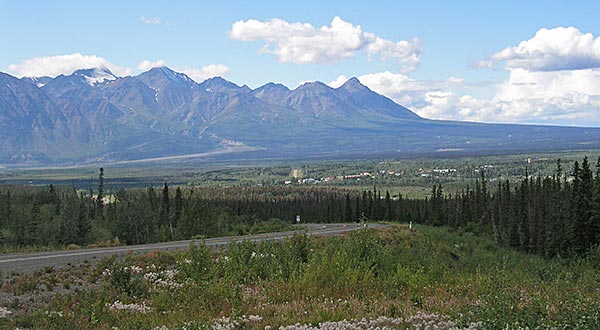
A glacier flowed north in this region during the ice age. It then made a left turn and flowed south through the coastal mountains and down the Alsek River to the Gulf of Alaska. That wild river and the broad valley at Haines Junction mark the remains of that glacier. I’d be going directly south the next day to reach the sea, not north first.

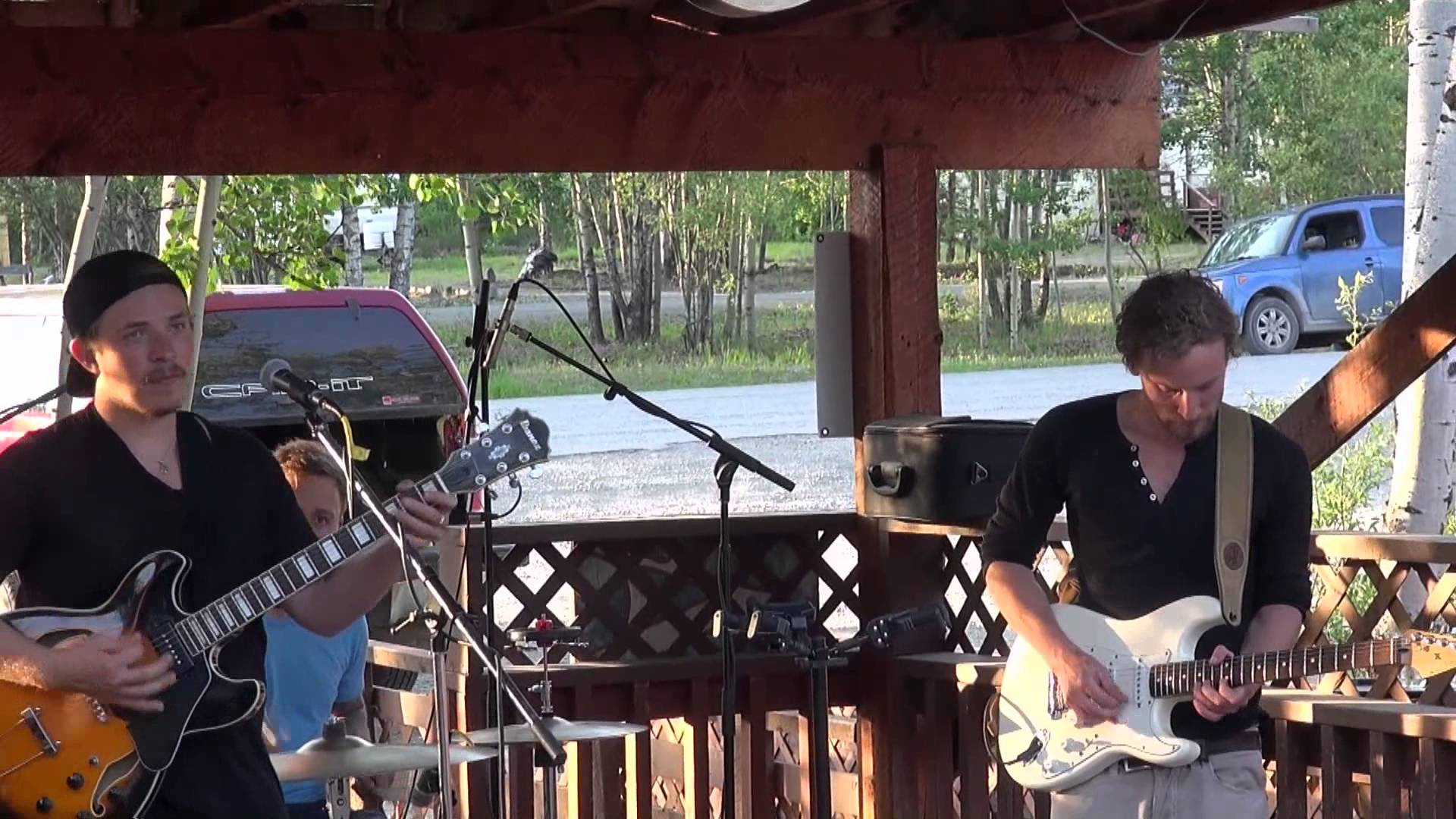
The live music at the bakery was a bit hampered but very enjoyable. The usual leader of the group was the bass player. But he was in California catching up with his musical buddies. The drummer played bass on the numbers where it was essential, though.

The bakery owner played excellent guitar and he had a rich voice but he was a bit shy in the leader role. They did stirring sea shanties, 60s tunes, protest songs and Hank William’s Lonesome Blues. After the music, two of the actors from the community theater put on a skit about a blues club.

By then I had a big appetite for baked salmon (did they bake it in the bread oven?). It was excellent. I could tell their secret sauce had lemon in it, but I don’t know what else. I was sad to learn the greedy trawler fleet had devastated salmon and cod stocks, though. After dinner, I selected some muffins for the ride and returned to camp.

15. AK, BC & YT — Alaska Highway

I stayed in Tok the next day to get set for 290 miles down the Alaska Highway to Haines Junction (population: 600). That little town is half the size of Tok, and there is not much in between. Best be prepared for that long, empty stretch. The biggest chore was fixing my tent. The zipper on the mosquito flap wouldn’t close anymore. The long hours of sunshine make central Alaska surprisingly hot in the middle of summer. There was no way I could sleep with the main flap closed.
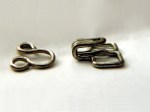
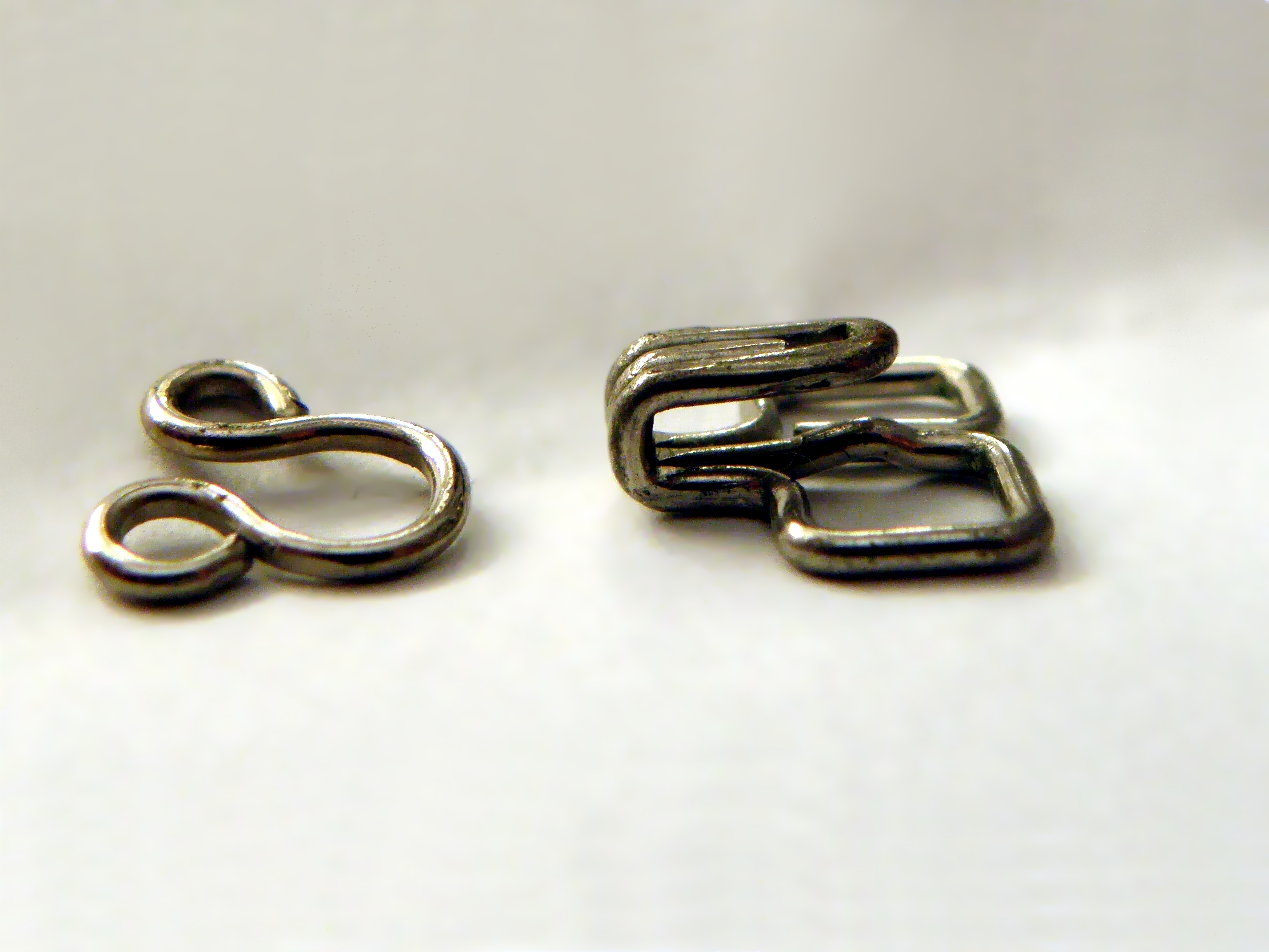
I went looking for a solution and tried Bullshooter Sporting Goods first. I was thinking vaguely of a new tent or possibly some mosquito netting. Would you believe they had nothing of either sort? Another solution would be some way to lace up the mosquito flap. They sent me to a fabric store — something I would not have expected to find in Tok — where I found some hooks and eyes. Just the ticket. They worked out well, but it took three hours to sew enough of them on.

I met a family from Alberta at dinner that night. Their son was “…along to help with the driving.” It turned out the dad and his son were both glider pilots. They were also backpackers. You can imagine we had a lot to talk about. Then I went back to my campsite, packed my laundry and was ready to go.

Thursday, July 23: It was a boring ride for the first 20 miles or so. Nothing but scrubby taiga. Finally, I came to some interesting terrain. At the end of the last ice age, strong winds formed sand from the Tanana River into a series of dunes east of Tok. Subsequently, vegetation grew on the dunes and anchored them in place. Those sand dunes are now a series of 200-foot hills covered with trees.

I ground up the back of each dune at 6 mph and zoomed down to the next one at 25 mph. On and on. Somewhere in the middle of that stretch, I spotted a cyclist and a pickup. I rode up to where they were as the driver was putting her bike in the bed of his pickup. He had been out taking pictures with his new camera.

Then I recognized the cyclist. She was the one from France that I met in the campground in Whitehorse. She had been traversing the hills from the opposite direction. She said, “I have had it with these hills, I just want to get out of them.” I could empathize. I guess she couldn’t get into the zone like I had.

I came to a Forest Service campground at Deadman’s Lake. It looked like rain, so I hurried in and set up my tent in a ring of trees. That was a mistake. It rained hard, and the trees did not shed the rain and keep it dry like I thought. The rain collected in the slight depression between the trees and I soon had an inch of water on the floor of the tent. I was able to keep most things dry except myself, but it was miserable sitting in there waiting for the rain to stop.

I moved my tent to flat ground after the rain stopped and went down to the lake to filter some water for drinking and cooking. A floatplane landed and dropped off a Fish & Wildlife agent. I suppose they had been out to check the other lakes around there. There are hundreds of them here along the front of a long mountain range. It had been a tough day and I went to bed early.

The next morning the road offered more of the same. One hill after another. A big rain shower caught me on one of them. I steered into the shallow ditch, put my rain gear on, and just stood there holding my bike. It poured for 15 minutes or so while cars and motor homes whizzed around the curve and on down the road. I imagine I looked forlorn to them, but I was enjoying it.

Finally, I came to a flat stretch that took me to the tiny town of Beaver Creek. I had come 100 miles in two days. There was a restaurant there and I had a buffalo Salisbury steak. My notes say the steak was big. I remember the waitress was talkative, but I have no idea what we talked about. [Photos]

It rained again that night, and again when I went for breakfast. By the time I got back to my tent it had stopped. I loaded up my stuff and rode out of town on a fresh, clean highway. After a while, I came to three cyclists on their way to Tok. They started in Washington in June and were just getting here. They told me about a lodge up ahead. They told me it was run by two old characters and they had good food.

I decided to stop at the lodge they described to camp. I went over to eat after setting up my tent in the woods. The woman told me all about what those fellows ate. She claimed they ate her out of house and home. Maybe so, but there was still some for me. I had the “Truckers Special”. It was New York steak with a baked potato and broccoli. I’m not sure broccoli would appeal to truckers, but it was great for me.

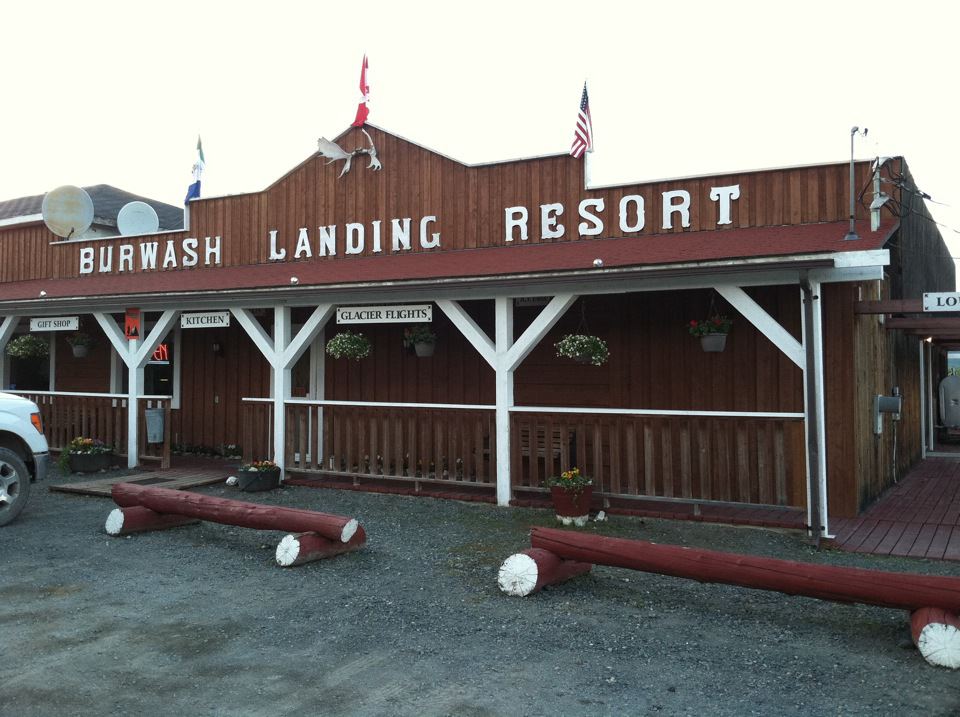
My next destination was was Cottonwood Park near the head of Kluane Lake. The wind started blowing soon after I started. It got worse and worse, and I was down to about 8 mph. I struggled along until I reached Burwash Landing on the lake and stopped at a little snack shack. There were three or four young people in the shack, and they told me I should camp at the resort because there would be a party on the grass that night.

I said thanks, but I’m going on to Cottonwood Park. The road was steep up from the shack and then turned south and followed a ridge. I was in my lowest gear because it was so steep going up the hill. I figured I’d be able to go faster after the turn, but the wind was so strong I had to stay in the lowest gear.  A little bit of that and I turned around, coasted down to the shack, had a laugh with the young people and went over to the Burwash Landing Resort.

Camping was out in front of the resort on a small field of lumpy grass, which was fine. That is, except that was where the party was going to be. But as tired as I was, I figured I’d be able to sleep through it.

Another cyclist, who was from Seattle and headed for Fairbanks, was already camped there. I set up my tent, staked it against the wind, put my gear inside for ballast, and went to take a shower ($3) and eat.

It was early so I was the only one in the restaurant. Bicycle tourist magic kicked in, as it usually did, and I answered the waitress’s questions for a while. I ordered a big steak and she went off to the service window. She told the cook, “Put some food on that plate for the hungry bike rider out here.” When it arrived it was all I could comfortably eat.

I heard the party start, live music and all, but I have no idea when it ended. My mind was on the wind the next day. I had learned that it “always” blows like that at Kluane Like. I would be riding right into it again. I was hoping for the best. I slept like a log, woke up at 4:00 am and was on my way by 4:30.

There was a little breeze up on the ridge, so I rode at the fastest pace I could maintain. Every little puff of wind made me think, “Here it comes.” But the wind had not come up much by the time I got to a restaurant near the head of the lake, so I stopped for breakfast.

The restaurant was part of a fishing guide operation. I had fish for breakfast, of course. A beautiful stained glass depiction of a trout jumping from a lake was hanging in one window of the restaurant. The fish was rendered in 3D and looked almost as if it had real scales. I took several (ill-fated) photos of it, and I had an urge to ask if it was for sale (which I severely doubted). I didn’t ask though as it was way too big to take along.

I talked with one of the fishing guides there about the wind. He also told me what I’d find on the rest of the way to Haines Junction. The winds result from the long range of mountains that run parallel to the lake. They act as a wall that forces the wind to flow north, right down the lake. The head of the lake is more protected, so there wasn’t much wind when I got going again after breakfast.
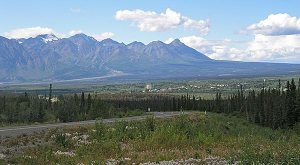
I rolled (the last 10 miles was downhill) into Haines at 4:00 pm. I had come 78 miles. I feared it would take two days, but I beat the wind by starting early and riding hard.

I stopped at a busy campground on the way into town. They recommended that I eat at a local bakery. The Village Bakery offered several baked dishes as well as bread and buns. I remember their spanakopita. It was delicious.
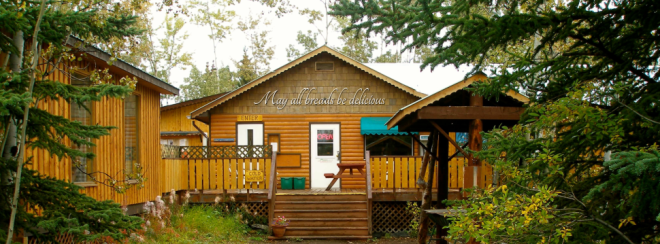
The bakery owner told me the ride from Haines Junction to Haines was rated second best in the world. (It was part of the race the two cyclists I met on the ferry to Skagway competed in). The owner also said I ought to go to the live theater at the high school that evening. That turned out to be a peculiar experience. [Photos of Haines Junction and Kluane Lake region]

More theater and the bakery in the next post…
14. AK, BC & YT — Not Advised

My pages of Milepost travel guide said to watch for construction on the Glenn Highway. I was happy that none appeared on the few miles I was on it after Dry Creek. But when I reached my cutoff Tok there was a big sign on it: “Road Construction Next 55 Miles — Travel not Advised.” Oh my, the alternate route would add 100 miles to my travel.

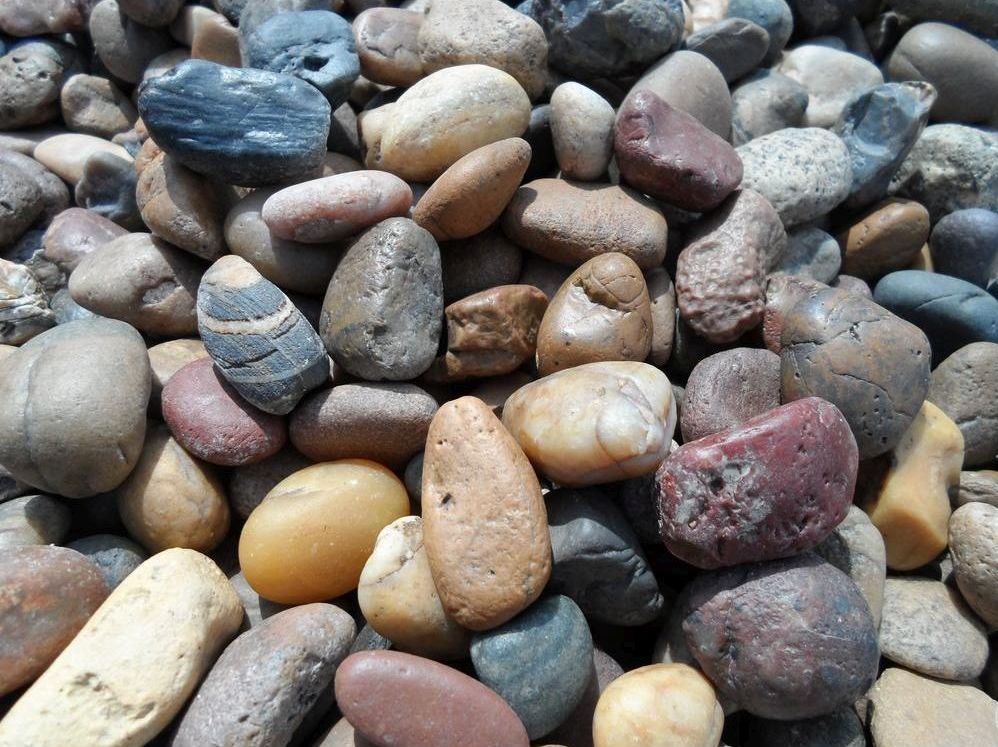
I rode down the cutoff for a mile until I came to the construction. The road was totally ripped up and there was a layer of 2″ river rock on top. But some of you may remember of one of my maxims: It can’t hurt to try.

I’d never ridden on rocks like that, but I gave it a try. It seemed the road might be rideable if I reduced my tire pressure. That would make it easier to roll them over those big pebbles. I let out some air and off I went, thinking I could go back if it became impassable.

I made it (otherwise you wouldn’t be reading this). It was a struggle though. Six or seven mph was best I could do most of the time. I had to walk the bike in some places because the gravel was too deep. Sometimes I’d get my hopes up because the road was a little better. But in a mile or so my hopes would be dashed again. When it finally ended at mile 53 it felt like I was floating on a cloud.

I rode on another ten miles and stopped at the Grizzly Lake B&B (which also allowed camping). The little lake, a broad valley beyond, and the massive Wrangell Mountain Range in the background made a grand scene.

I spotted a woman out by the cabins and enquired about camping. She said OK, but she didn’t know what she wanted to charge. She was taking ownership of the B&B from her Great Grandmother and didn’t want to presume how to handle it. Then she decided I could stay for $15 (later on her Great Grandmother said $5, but I had already paid). I told her I also wanted to take a shower and she said she’d have to talk to her Great Grandmother about that.

I set up camp, cooked dinner and busied myself with my gear. The Great Grandmother arrived and came over to see me after she talked with the new owner. She said, “I understand you want to see the great room.” I told her that would be nice, but I had no idea what she was talking about. I guessed we’d get around to the shower in due course.

Her husband had been a hunting guide in Alaska for 50 years. We went over to her cabin, walked through the big kitchen and entered the Great Room. There were dozens of trophies there: Brown bears, grizzly bears, deer, a beaver, caribou, Dahl sheep, wolves, eagles, a moose, a wolverine, foxes, et alia. Interesting, but I told her again that I wanted to take a shower. “Oh,” she said, and told me to come back in half an hour and the water would be warm. (We agreed the $15 would cover the shower too.)

I returned to her cabin and she led me out to an old log structure that was half buried in a bank of earth. There was an old galvanized shower in it. She handed me a towel and left me to it. Everything was going fine until I noticed that the water wasn’t draining away. I finished my shower ankle deep in soapy water. As I dried myself off I reminded myself that I’d been in worse.

Back at my tent, I saw a mother duck with a half-grown family behind her swimming around on the lake. There were loons making their manic calls too. Another relative of the B&B clan came by mowing the grass. She made some remark about relatives, so I told her the old Montana joke: There are two seasons in Montana — nine months of winter and three months of relatives. She got a big kick out of that.

The next morning I was sure I could be in Tok in time for dinner. It was great to be on pavement again. The rocky road took a lot out of me the day before. I figured it had been the equivalent of 100 miles on pavement. The flat terrain from here to Tok would help, and I would ride slower but longer today.

I decided to have breakfast at Duffy’s Roadhouse up the road about ten miles. It turned out to be a grubby sort of place, but the coffee and breakfast were fine. At least, that’s what my journal says.

I met Gene and Christine, a couple walking toward me, shortly after leaving that place. A little civilization was beginning now that I was closer to Tok, so I wasn’t surprised to meet them. (They were the only pedestrians I encountered on the open road during the whole tour.)

We talked for a bit and they invited me to come to their cabin, which was nearby, for breakfast. I had just eaten, but I agreed to have some orange juice. We had a nice conversation about their life there and where I’d been and where I was going. Gene repaired small motors, chain saws, snow blowers, etc., for a living. They had been in Alaska for more than 30 years.

Back on the road, I met a Swiss cyclist. He started in LA and had been on the road for two and a half years. I don’t know why it took him so long to get to Alaska. He wondered if I had seen the German couple he met a few days before. I hadn’t, but they did come along a while later. The Germans were on a three-week tour. (I don’t think I came across a single US tourist on the whole tour.)

I made it to Tok in the early evening. I had come 72 miles. I headed straight for the campground at the Tok Salmon Bake and quickly set up my tent and took a shower. You can guess what came next. Another great salmon dinner.

13. AK, BC & YT — Thompson Pass

I woke up to discover the bivouac spot I picked in Mineral Creek Preserve was in the middle of a ski trail. This was going to be was another big pass day. There’s usually a little involuntary trepidation on those days. How steep and long is the climb going to be? And it could be boring. The pass would be the first 2,805 feet of the 25,692 vertical feet I would climb before reaching sea level again at Haines, AK.

Usually, big passes either fade into the flow or bring a sense of accomplishment. The year before, heavy traffic, rain, a narrow road, and 3,944 vertical feet of climbing at Sherman Pass made that a climb that matched my feeling of foreboding, though. This climb over Thompson Pass turned out to be the high point of the day, and thus the title of this post.

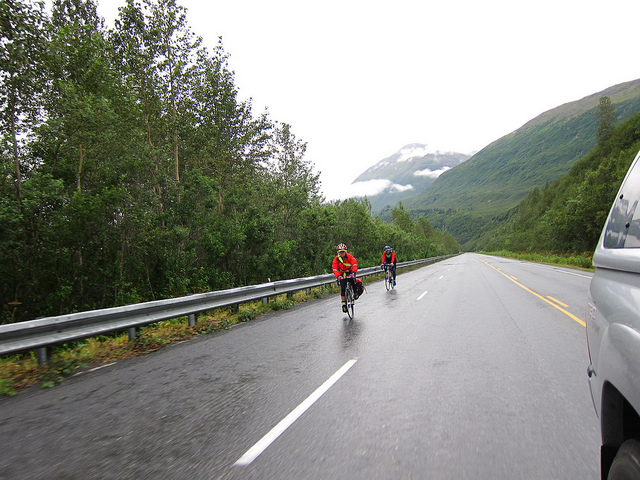
I fueled up at Totem Inn in Valdez and then started off. The first ten miles were along the shore of the Lowe River inlet. The road was flat, quiet, and a bit foggy. There was zero traffic. Magic. Then the climb began. It was a Goldilocks grade. Not too flat, not too steep, but just right.

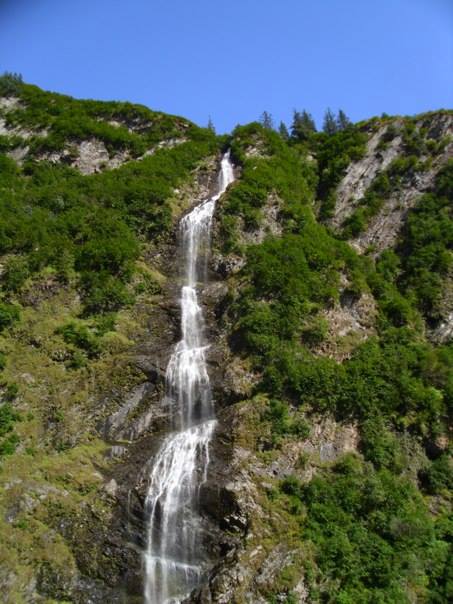
I soon came to Keystone Canyon. It’s a deep slot canyon, with vertical walls rising 200 to 400 feet. There are many waterfalls flowing from both sides of the canyon. Six of them were as big or bigger than the one you see here. It was an enchanting place.

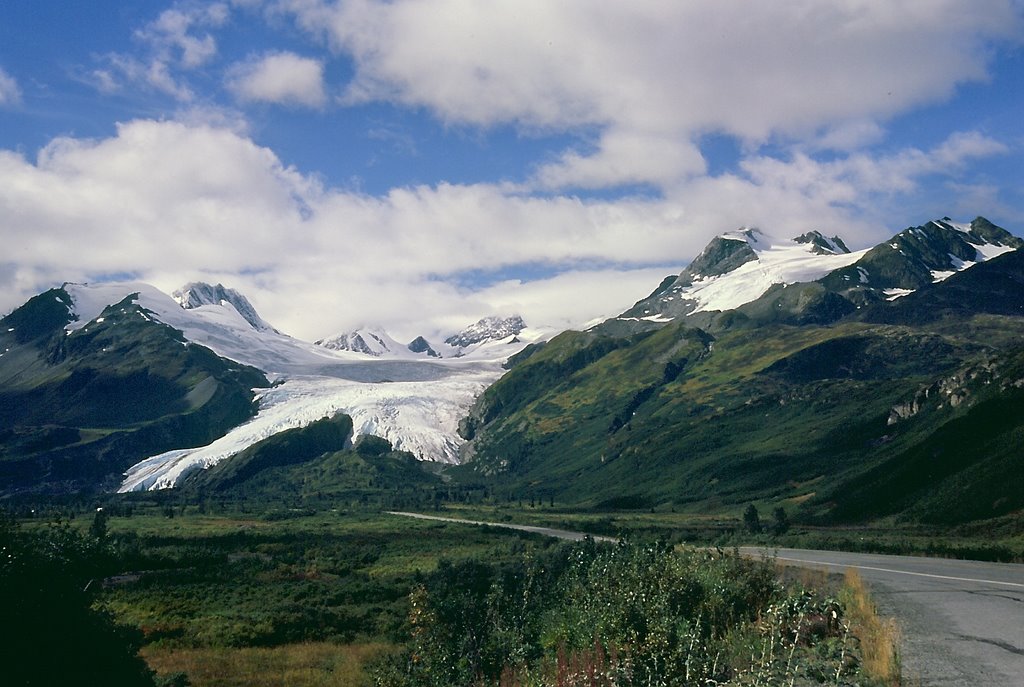
After the canyon, the road made broad sweeping turns up over and back down the crest of this pass through the coastal mountains. I soaked it all in as I sailed along with easy peddling. Near the bottom of the pass, I noticed Worthington Glacier in the rear view mirror mounted on my helmet.

I had no idea there was a glacier there. Some low hills — an ancient terminal moraine I’m sure — were hiding the glacier when I was closer, but now there was a clear view looking back. I decided not to backtrack because it was several miles away by then, and I had a long way to go that day.

From that point on I had a rainy but pleasant ride. I stopped at 4:00 pm at Tiekel River Lodge to camp. That was 60 miles from where I started, but I don’t remember if I stopped there by plan or by chance. The rain had also stopped, and I camped right by the river.

To my surprise, a German cyclist I met when getting off the ferry showed up after I’d eaten. I don’t know where he stayed in Valdez. Maybe closer to the pass, but I know he started riding at noon. I had started at 8:30 am. I rationalized the difference in our riding times by reasoning that he was in his early twenties.

The next day I rode to Dry Creek Camp, which was just north of the junction with the highway from Anchorage (another road I intended to ride some day). The junction with the highway to Tok was ten miles north from there.

I don’t remember much at all about that ride to Dry Creek except a convenience store at the junction, and viewing a vast range of mountains dominated by Wrangle Peak off to the east. I probably picked up some junk food at the store, maybe even called Marcia. My notes tell me it was nice and dry in camp. Evidently, I washed my riding shorts and dried out all the gear that got damp the day before.

In a couple of days, I would be in Tok, having more baked salmon.