12. AK, BC & YT — End of the Road

Seward is literally at the end of the road. My outbound leg ended there. The return leg started on the ferry to Valdez. Then it was 692 miles on the road and 25,692 vertical feet of assent and desent on the way. That was like climbing Denali, or about 20 total hours of climbing plus another 50 hours of riding on the flat. At 7 hours per day that comes out at 10 days of serious riding. Piece of cake.
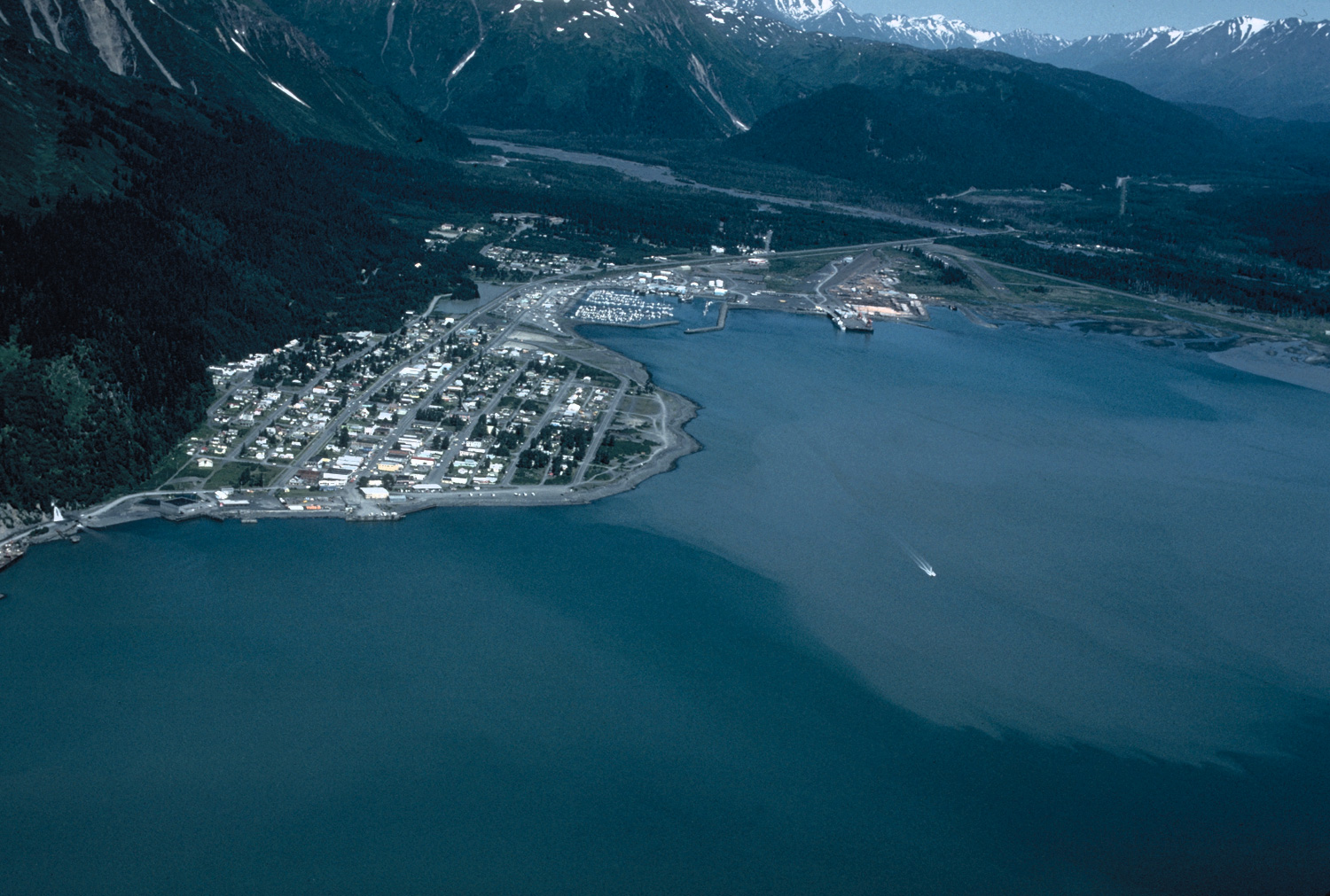
I camped at Forest Acres Campground, out in the woods (duh!) and a couple of miles from the main part of Seward. I discovered there was a free shuttle bus and I took it downtown. According to my notes, I had an Americano (coffee) and a big bran muffin when I got there. Then I  picked up my ticket for the ferry to Valdez at the ferry building.

I spotted the Alaska Sealife Center a few blocks away and decided to go in. It’s right on the water’s edge and it’s the main attraction at Seward. The grand opening had been in May. The main exhibits are a Seabird Aviary, a Harbor Seal Habitat, and the Steller Sea Lion Habitat. The best aspect was big underwater viewing windows.

I can still see a big Sea Lion swimming around in his pool. He swam fast and went around and around up over a submerged rock and back down past the window. He took a breath on each pass and zoomed down past the window to look at all of us.
I wandered around town, bought a couple of books, and spotted a barber shop. I needed a haircut so I went in. The barber told me he wasn’t a real barber but he would do his best. I said I wanted it short and he asked if I wanted it Ross Perot style. What the heck, that was all he could do and it would grow back by the time I got home.

The intermittent rain turned to rain so I caught the shuttle back to camp. I intended to come back to town for dinner, but the shuttle didn’t show up. So I put on my rain gear and rode to a McDonalds along the highway. I had a Big Mac and returned to camp to start reading one of my books.
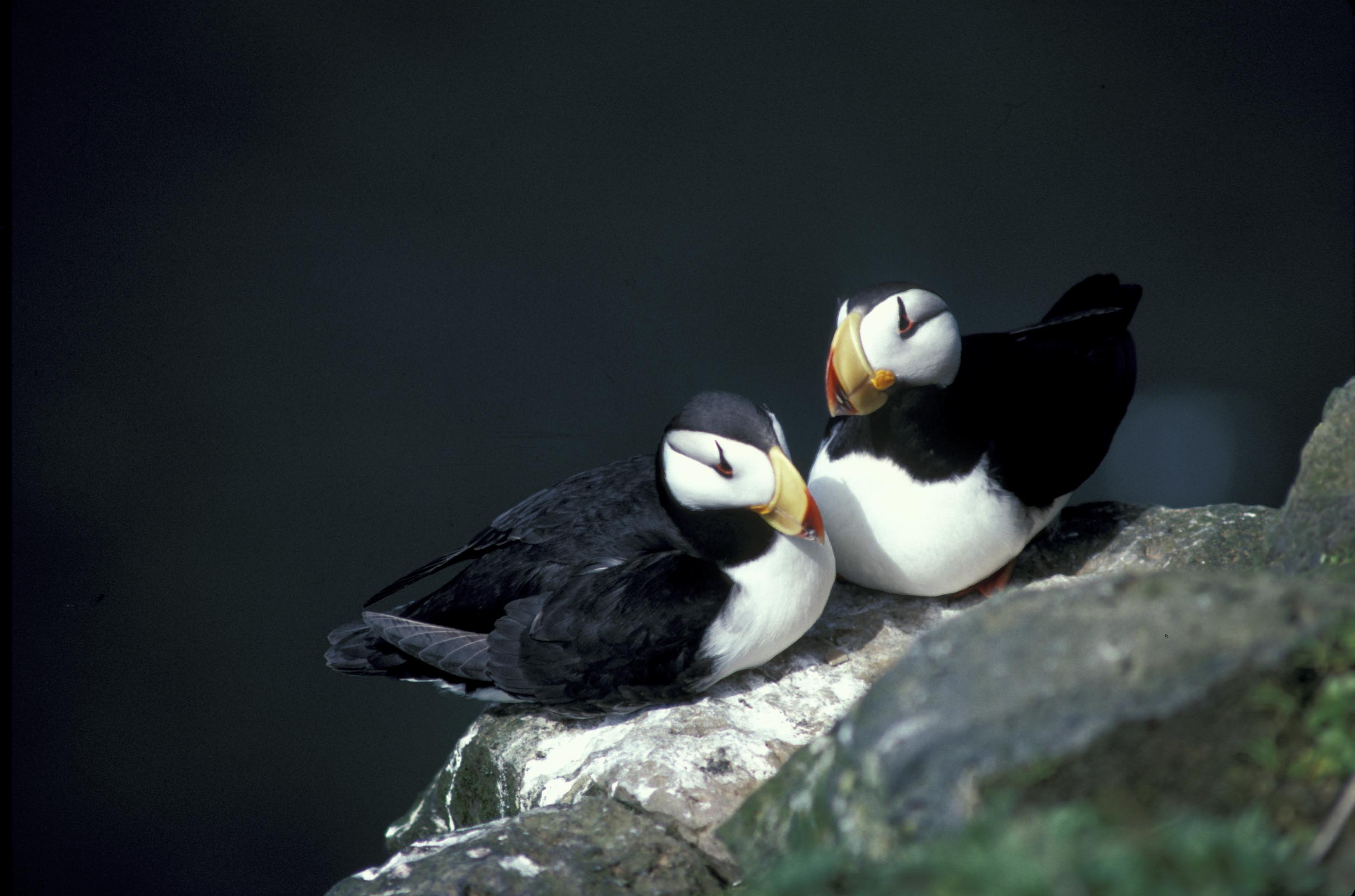
It was raining lightly the next morning. I put on my rain gear again and rode down to the ferry. We cruised along some cliffs as we left the harbor. There were hundreds of Puffins flying all around. Their dramatic coloring was quite a sight.

We came across a whale out in the open sea and watched him spouting along for a while. About 25 miles before we got to Valdez, we went into an inlet to see the Columbia Glacier. There were many small icebergs before we got to the glacier so we slowly weaved our way up to it. That little side trip was quite a treat. Of course, the glacier is now a shadow of its former self.
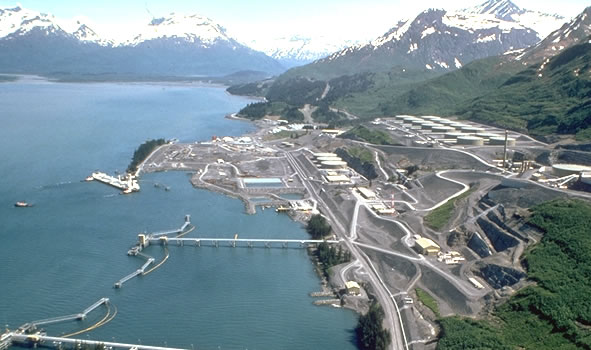
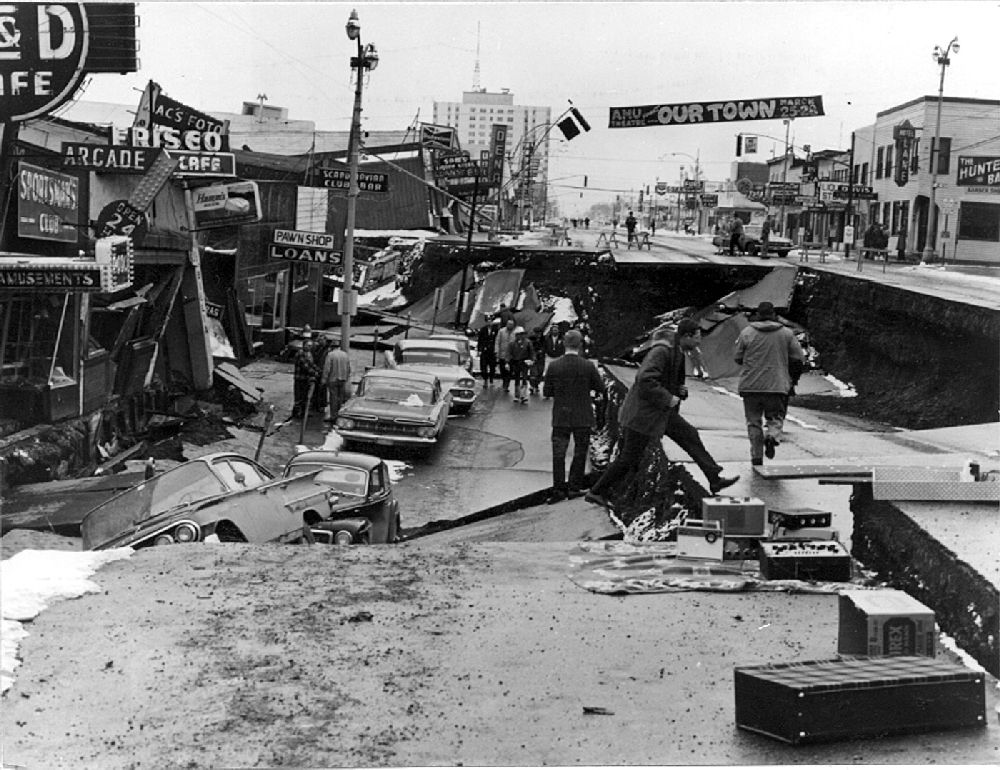
Valdez, overshadowed by the marine terminal of the Trans-Alaska Pipeline. Valdez is all new because it was wiped out by the tsunamis from the 1964 Alaska earthquake.

It was about 11:00 pm when we got to Valdez. I went right to the campground in town, but it was full. I asked a camper there if there were any places out of town to camp. He said there weren’t, but that many people went up in the Mineral Creek Preserve, even though camping wasn’t allowed there.

So I asked myself, “Self. If everybody else does it, why not me?” I had to put my tent up in the dark because dense clouds had cut off the light, but I was home and dry. There were no trees, so I left my food on the ground. It was OK in the morning, probably because I was well off the beaten path.
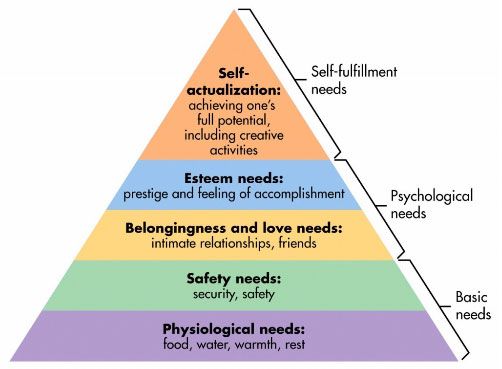
Source: https://simplypsychology.org/maslow.html

Bicycle touring is a 24/7 kind of endeavor. You need to balance and pay attention to many elements.

Thinking back to my journey and looking back at what I’ve been writing put the elements in perspective for me. I saw them as an overlay on Maslow’s triangle.

Much of my story here has been about access to clean water and ample food (I ate about 5,000 calories per day.) These elements of touring put particular emphasis at the bottom layer of Maslow’s triangle. Shelter and protection from the weather come next in importance. You can’t afford to make mistakes there while touring either.

I’ve written quite a bit about my chance encounters on the road, and those fit into the social level of the triangle. It would have been mighty lonely after a week or so without them. It was natural to capture and write about them.

When you put all those elements together you end up with a steady flow of challenges matched by short-term accomplishments, plus steady progress toward a long-term goal. You might sense that long distance bicycle touring can be very satisfying. I miss it greatly.
11. AK, BC & YT — On the Road Again

It was nice to take a couple of days off and visit Bill McNally. Now I was back on the road again. It felt good.

Aboriginal people don’t have a concept called work. They think of sustained exertion as just another body state, like asleep, awake, inactive, or eating. Exertion doesn’t feel hard to them; it feels different. That’s the way it is on a good day of cycling if you can get in the zone. You feel satisfied, not saddled with a burden. (pardon my pun).

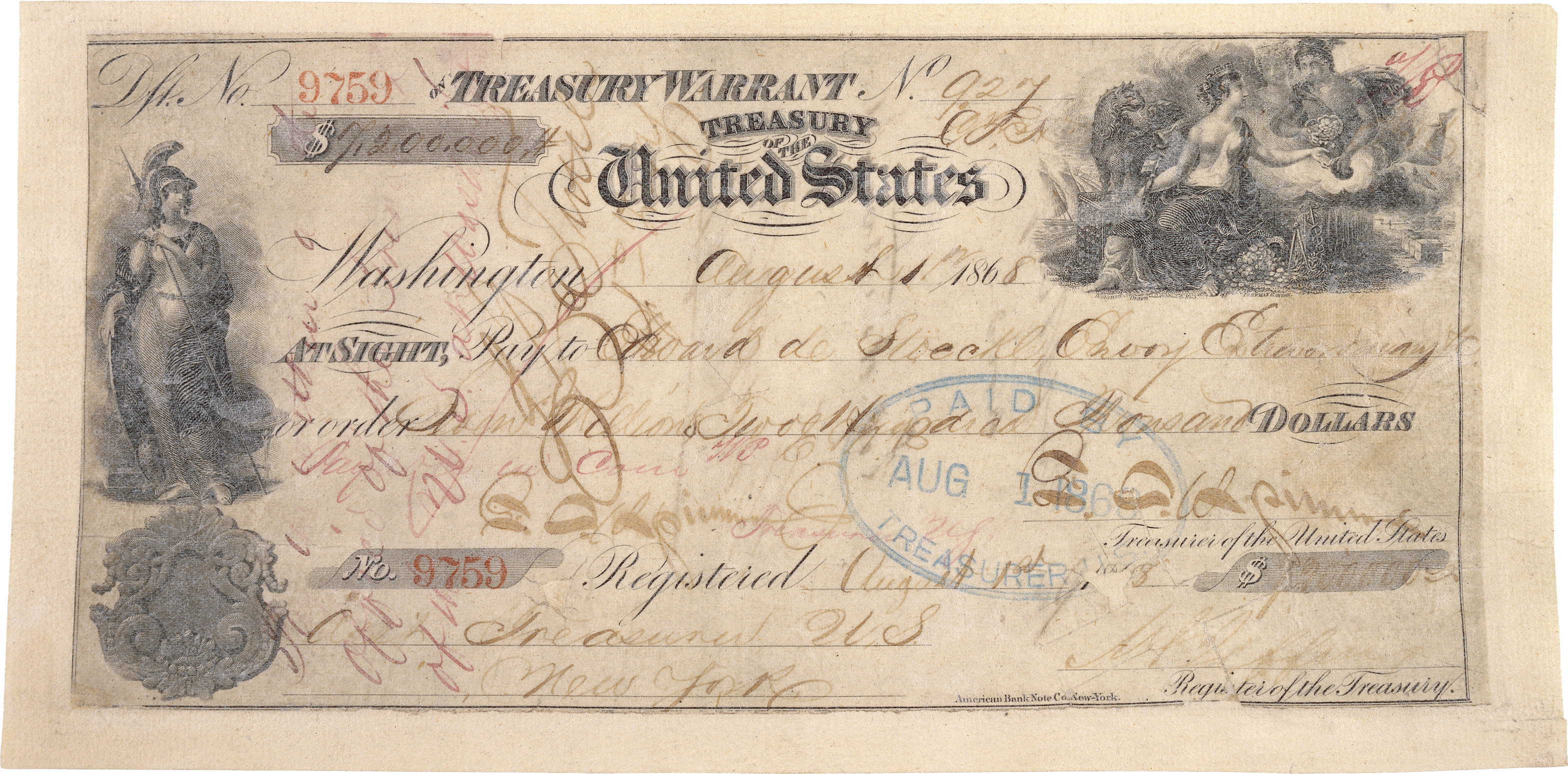
I was headed for Seward, namesake of Secretary of State William H. Seward, who bought Alaska from Russia for $7.2 million in 1867. Some called it Seward’s Folly, but they turned out to be the ones fooled.

I thought of Seward as my turnaround point. Marcia and her sister Jane were getting ready to return home too. I called her before leaving Bill’s place and she was cheerful. Jane’s high-school reunion was in full swing. “Everybody” was down at the Legion Club.

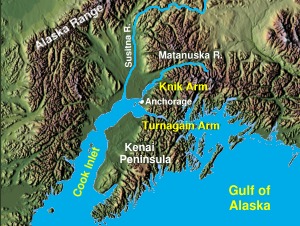
The ride to Seward started off with three miles of coasting from Bill’s house down to Seward Highway. The highway at that point was on the north shore of the Turnagain Arm of Cook Inlet.

The arm was named in frustration by William Bligh of HMS Bounty fame. It was the second arm they explored, hoping to find a Northwest Passage. It ended up as a dead end too, so they had to turn around again and go back.

I hadn’t gone far on the highway when I came to a dozen or so Dahl Sheep. They were on a nearly vertical hillside right by the highway. I stopped and looked at them and they looked at me. A little further along, an Alaska Railway train went by on its way to Whitter where cruise ships land. The climb up into the mountains of Kenai Peninsula started soon after I rode around the end of Turnagain Arm. I camped at tiny Bertha Creek Campground after six hours of riding. The last three miles took an hour. Quite a contrast to the first three miles at the start.

The highway goes through some beautiful, lush country here. I turned off the Seward Highway onto the road to Seward on the second day (oddly enough, the Seward Highway doesn’t go to Seward). The road to Seward is busy and narrow. I coped with the hazard by stopping on the grassy shoulder if two vehicles were going to meet where I would be. I had to do that at least twenty times.

I called Alaska Marine Highway from Moose Pass Lodge. It took quite a while to get an operator. I changed my departure to Aug 1. That ferry would skip Sitka and get in three days earlier than the one I originally booked. It’s a good thing I did because they told me there might not be room for a bicycle otherwise, though I can’t imagine why.

From that point, it was, as they say, all downhill to Seward. I was soon camped in the Seward Municipal Campground. It was nice and a little unusual. There were tourists like me there, and also long term residents. One couple was there because they “…lost everything in Kodiak.” Ray and Teri were back in Seward trying to get started again. She told me, “I just married my daughter (to a groom, not herself) on the 4th of July.” (Ten days before. Anybody can perform a marriage in Alaska.)

10. AK, BC & YT — Denali to Anchorage

It rained during the night, but it had stopped before it was time to pack up to get back on the train. Bill McNally, Marcia’s second cousin, was going to pick me up at the train station in Anchorage. Bill is a United Airlines pilot. He convinced his bosses that United should use Anchorage as their air freight hub for Asia. They agreed that it was only obvious. He switched from flying passenger 747s to 747 freighters, and they put him in charge of establishing the hub there.

After we boarded the train, we learned our start was delayed due to an earthquake near Anchorage. A truck with rail wheels was checking the track, and we could start if it was safe to go. (We made up the lost time by the time we arrived in Anchorage.)

The most scenic part of this second segment of my journey was along the Indian River. We saw big salmon at Hurricane Gulch and the conductor’s (same one) cabin just beyond it. He also delivered (tossed) the Anchorage newspaper at other scattered cabins along the route. We passed through Wasilla too, but clouds blocked our view of Russia. 😀

Bill was parked right at the station when I arrived, and after stowing my stuff in his pickup we had a beer at the Railroad Brewing Company. We swapped bike touring, flying, fishing and camping stories. He is an avid outdoorsman, which is natural for someone who grew up in Minnesota lake country.

Bill had a splendid house that he designed himself. It had a big great room with a 16′ ceiling. The second floor overlooked it from a mezzanine. It had many other unique touches too, for example, the laundry room was on the second floor. That’s where most of your clothes, towels, and bedding are anyway. Why take them downstairs and back up again when you need to launder them?

His house offered grand views of Anchorage, Cook Inlet and the Alaska Range from both the great room and the mezzanine. You could even see Denali from there.

Bill’s house was close to Chugach State Park. It is mountainous, with an alpine character because of the northern latitude. The next day, Bill and I hiked in to a couple of very nice lakes there that could have been in Yosemite. He did a little fishing while I took some (ill-fated) pictures. While we were there Bill said, “People often ask if those lakes freeze in the winter.” His answer? “No, they freeze in the fall.”

We went to downtown Anchorage for a bike ride on my last day there. We rode along the Coastal Trail and around the business district first.

The trail runs along the shelf that remained along Cook Inlet after the 1964 earthquake there. The magnitude 9.2 earthquake was the second largest in world history.

Then we rode out to Lake Hood Seaplane Base. There are over 1,000 seaplanes (floatplanes) based there. By far the largest number in the world. It was interesting to see so many different kinds landing and taking off.


Bill left at 5:00 am the next morning for a departure to Japan at 7:00 am. I got up around 7:00 am and prepared to leave. Visitors at Bill’s house had one rule to follow: Write an entry in his visitor log. I’m sure I thanked him, and reflected on my wonderful visit there. Then I let myself out and headed down the hill to the Seward highway. I’d arrive there in a couple of days.

9. AK, BC & YT — Fairbanks to Denali

My first morning in Fairbanks started with a “Real Alaskan Breakfast” — two big sausage patties, hash browns and a pile of scrambled eggs. I don’t remember where I ate, but my journal gives it a positive review. The ride from Tok had been hard. I may have told the waitress about it. Anyway, I suspect she encouraged the cook to take good care of the hungry cyclist.

I went shopping at Fred Meyer after breakfast. It was about a quarter mile away so I walked. The produce section was staggering. It was about 4,000 square feet in size, and the variety was amazing. Not what I expected after picking over skimpy selections all the way from Whitehorse. (I recently learned that store in Fairbanks is their biggest when I mentioned it to my grandson Nick.)

I went to the Alaska Railway Depot in the afternoon and got my tickets for Denali and Anchorage. Then I walked around downtown. There were still some nice hotels and gift shops there, but it was a pretty shabby place. Many once-nice buildings were empty and there were not many cars or people there. It had obviously been a booming place when the pipeline to Valdez was being built. Now it looked a little like the “South of Market” district in San Francisco before its recent gentrification.

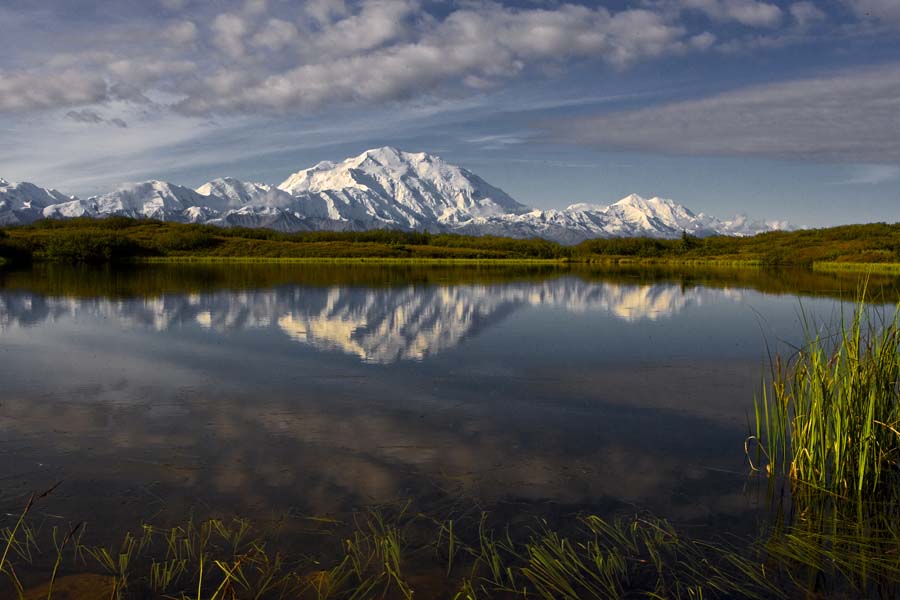
Denali National Park is 2,085 square miles, or about 50 x 50 miles in size. (Yosemite is a little more than half that size.) Denali is a word in the native Athabaskan language. It means “the high one” (it was named Mount McKinley in 1897 by a prospector). One road, with limited access, bisects the park. Denali, which is the highest peak in North America at 20,300 feet, towers over the park’s mountain range. I’m writing this on the 100-year anniversary of the park.

Tourist access to the interior of Denali is by bus, bicycle or boots. Automobiles are prohibited. I planned to take the excursion bus. I hoped to see many animals and get a glimpse of Denali.

Details count when you’re camping. It rained during the night and water got in my tent. Nothing important got wet though. All I could do was pack up and head for the train depot anyway. Moral: Don’t let your ground cloth extend beyond the edge of your tent. It will catch the water that runs off the tent and divert it back under the tent.

As with many things in Alaska train operations are a bit casual. I found one of my tent poles damaged when I organized my gear for the baggage car. I needed a piece of stiff wire to work on the pole. The young lady in the baggage room looked around until she found what I needed. I rolled my bike into the baggage car myself after I finished.

Soon after we started, the conductor came around to punch tickets. When he got to me he asked if that was my bike in the baggage car. I said it was, and he told me that he tours in the “Lower 48” in the winter. We talked about touring for a while and then he moved on. All very low key.

The train runs through the long, narrow Nenana River valley on the way to Denali. There are marshes and lakes along much of the track. We saw moose, moose with calves and bull moose as we went along. There were few signs of civilization. It rained most of the time we were traveling, which added to the primeval feel. It would have been a great bicycle ride, but I wanted to experience the scenic train ride.

There’s a river gorge at the Denali visitors center, and we crossed over it on a high bridge to get there. It was interesting looking down. There’s a train station right in the park, and a campground next to it. The campground had a big walk-in steel container for you to store your food in to keep it away from bears.

I retrieved my bike from the baggage car, stored my food, and got my tent set up. I bought lunch at a nearby snack bar and then went looking for the place to get a bus ticket. My recollection is that only one excursion was available (there are two longer ones now). After I had things organized I did some exploring on local trails.

The Tundra Wilderness Tour was quite successful. We went about 30 miles into the park on a mostly level road. There were mountains on the north and south, and the big range, including Denali, to the west. The big range was covered with clouds, so we didn’t expect to get a view of Denali. The terrain was rolling and covered with tundra and brush. (This would have been a two-day round trip if I’d ridden my bike. And I wouldn’t have had a naturalist with me.) [photos] [video]

The first animal we saw was a moose. Nothing new about that. After a while, we spotted two Grizzly Bears with their cubs. They were about 1/4 mile away. They were all taking a nap but after a while, they began to move around. One bear’s cub was 2 years old and the other bear had 1-year-old twins.

On down the road, we saw two Golden Eagles in a nest. We came to another bear shortly after that. She had a new cub, who was tripping on lumps of tundra, running off to the side, and generally frustrating its mother who was trying to reach some destination. It was very comical. After that, a red Fox came down the road and trotted right by the bus.

Denali was hidden by clouds when we reach Eielson Visitor Center, which is as far as we went. It was cold and we turned back soon after that. Soon we came to a Caribou (reindeer). Like the Fox, he walked right by the bus, nonchalant as you please. A while later we spotted three groups of Dahl Sheep, but they were quite a way off.

As we neared the end of the ride, some excitement came from the rear of the bus. One of the riders looked back and saw that Denali was in the clear. There it was, about 60 miles away. It really looked big. We all streamed off the bus and shutters were clicking (this was before digital cameras). The naturalist told us we were very lucky. Many visitors never see Denali.

I finished the day with a nice salmon dinner at a restaurant in the commercial area right outside the park entrance.