I started hanging out at Henley most weekends soon after I learned to fly gliders. Ideal soaring conditions only come once in a while, and the time of day plays a big role in that. I would go up there in the morning to watch the weather and other glider flights to see how conditions were developing.
There were usually several other pilots there too. They flew in for $50 hamburgers, fuel, glider flying, aerobatics, and mostly hanger flying (telling tall tales). The hamburgers were $50 because the restaurant wanted their $5 and you spend $45 for fuel and maintenance flying in and back out to your home airport.
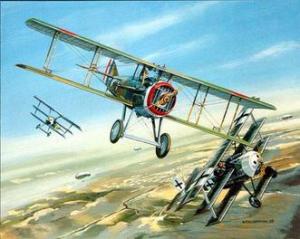 One day I learned that Henley was going to put on an airshow. There would be wing walking, professional aerobatic routines, mock dogfights, antique airplanes, sky diving and more. It was free to boot. Just a bunch of enthusiasts getting together for the fun of it. And there would be time for glider flying too, conditions permitting. You can probably guess where I was that weekend.
I watched several airshows at Henley over the years. They’re blurred together in my mind now. I specifically remember the team aerobatic routine that Steve Wolf and Steve Soper flew, and the mock dogfight at that first airshow though.
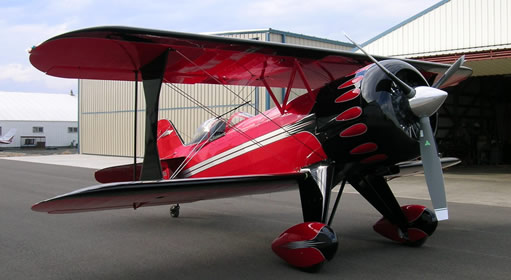
Steve & Steve were flying S1-A Pitts Specials that they built themselves. They made a living barnstorming during the summer, but they often came home. Steve flew with a legendary pilot named Dave Rahm earlier (that’s another story), but now he was teamed up with Steve Soper.
Gene Soper, Steve Soper’s dad, was often the public address commentator for their performances. Gene was also qualified to fly multi-engine airplanes. He flew Gary’s tri-motors for him.
What is team aerobatics? Part of it is flying basic aerobatic maneuvers in formation. There are also more challenging team maneuvers. In one you fly low over the runway, one plane from each end. One of them is inverted (flying upside down). You meet in the middle, one on one side of the runway, and one on the other side. Or you each fly a loop, and you meet at the top and bottom with the same kind of close separation.
In another maneuver, you fly down the runway with one plane inverted and slightly above the other. The pilot in the lower plane flys down the center line. The pilot in the inverted plane guides his flight by maintaining “canopy-to-canopy” spacing a few feet above the bottom plane. You need some serious practice to do maneuvers like that safely.
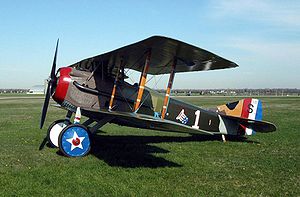
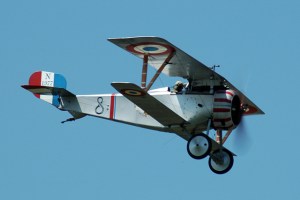
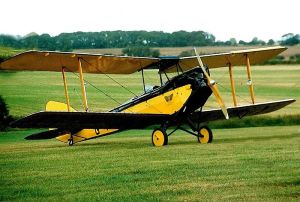
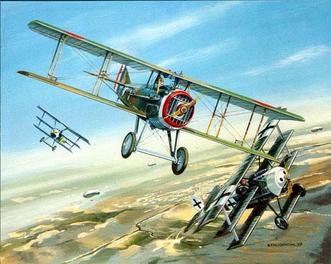
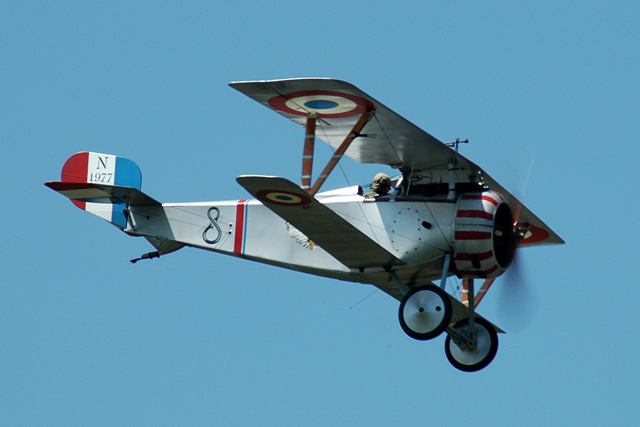
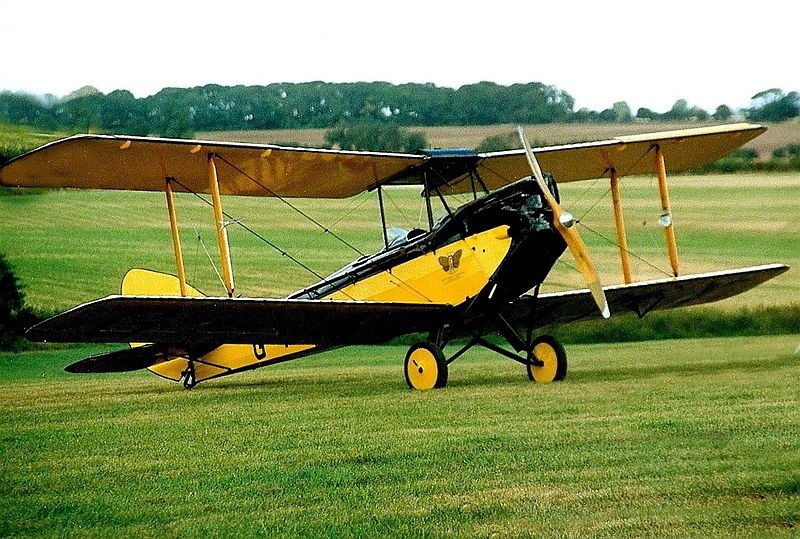
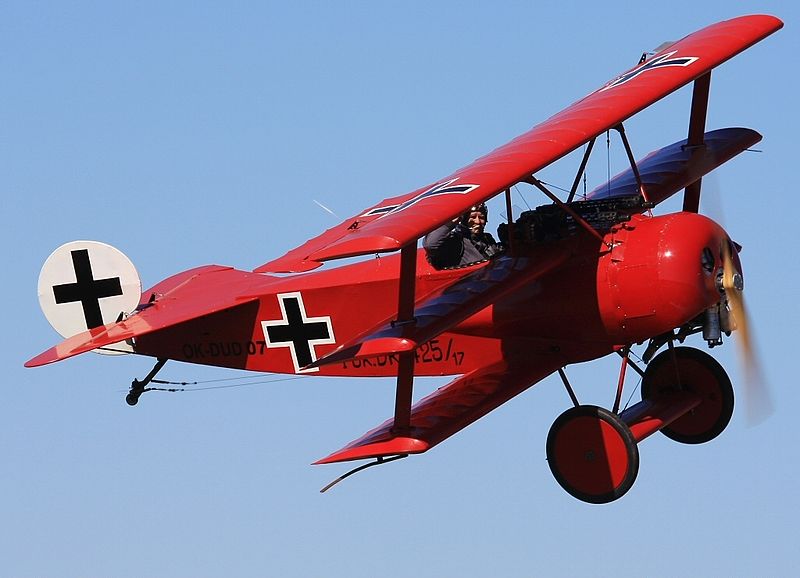
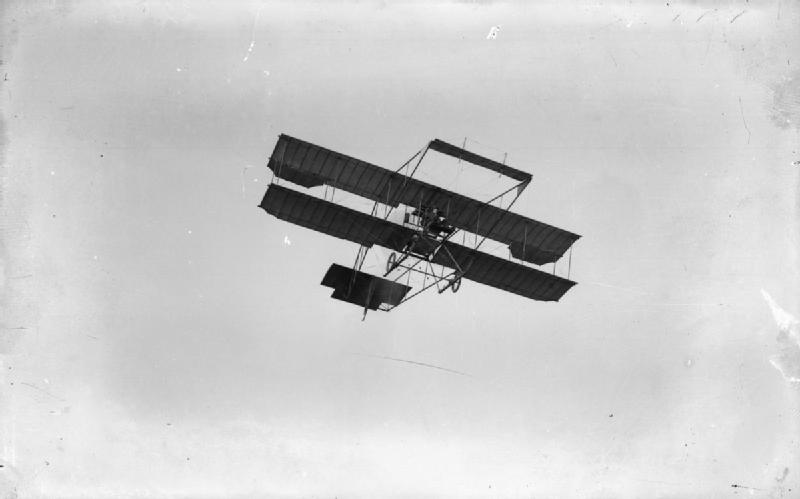
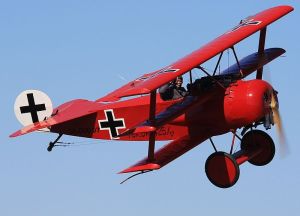 The mock dogfights were flown with accurate replicas of WW I fighters: Three legendary biplanes — a Spad, Neuport, and de Havilland — plus a Fokker tri-plane (Red Barron’s plane). Those dogfights looked like chaos aloft to me to me. They didn’t have a planned routine, but I’m sure they had some rules of thumb to follow. Otherwise the chance of colliding would not have been negligible. Some of those replicas were built by Wimpy Redfern, and others were built by builders using the plans he sold. Wimpy was another of the Henley aviators who lived near to the runway.
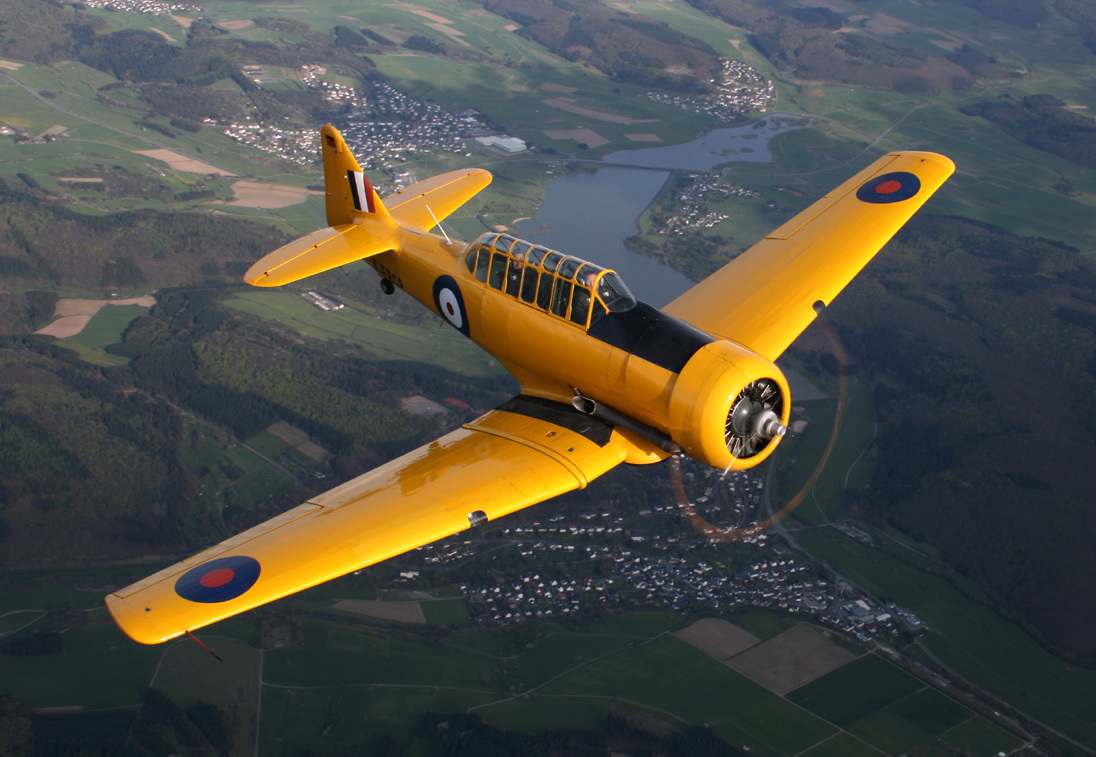
There were also demonstration flights of unique airplanes. Gary Norton, who owned Henley Aerodrome, had a dozen or more old planes in his personal collection. Some of these were million dollar acquisitions. He had P-51 and P-40 fighters; Ford and Stinson tri-motors; Stearman and T-6 military trainers; Pitts Special, Bucker-Jungman, Travel Air 2000, and Fleet biplanes; a flying car, etc. They flew a couple of these airplanes at the airshow, and many of the others on other weekends.
Many of the pilots who flew in to Henley had unique airplanes. Jack Rose had a P-51 and a Stearman (more about him later). Several other WW II planes came by from time to time. Several Pitts Specials showed up regularly. Steve Wolf eventually built a replica of the legendary Pitts Samson, and he often flew impromptu aerobatic sessions in it at Henley. [Video: Bobby Younkin flying Samson NX985PW built by Steve Wolf]
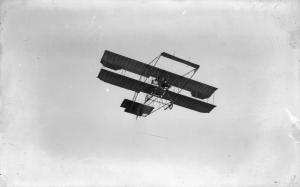 Wimpy Redfern built a replica of a Model 2 de Havilland, a pusher biplane used in WW I, at Henley. Its radial engine was behind the pilot, which gave him superb forward visibility for shooting at the enemy. I was there when Wimpy flew it for the first time.
I learned about many airshow pilots in hanger-flying sessions at Henley. I also met most of them at Henley or airshows at other airports. You demonstrate your aerobatic skills to a FAA examiner to obtain a low-level aerobatics waver. You need that to be an airshow (“stunt”) pilot. Those pilots had the right stuff. Several of them died in crashes though. (I flew aerobatics at 1,500 feet or more above ground level as required by regulations. That was no more dangerous than riding a motorcycle.)
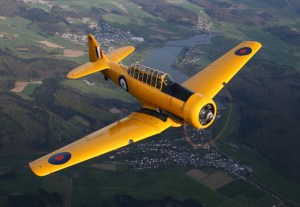 My first aerobatic flying at Henley involved some serendipity. I learned that I could fly their T-6 military trainer for $90 an hour. The only catch was you could only fly it if you had an instructor along.
I took the next day off from work and went up to Henley. I had Wayne Norton, the brother of Gary Norton, lined up as my instructor. After some ground instruction, off we went. A T-6 has a big radial engine. The full-throttle sound and thrust from that engine on takeoff is something you’d never forget. It’s the kind of feeling you’d get running a steam locomotive down the track at 90 miles per hour.
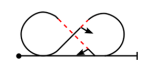 After we took off, Wayne asked me what I wanted to do. I’d been thinking we’d just fly around doing turns, stalls and such. It never hurts to ask though, so I told him I’d like to fly some aerobatics. He said, “OK, take us up to 4,000 feet (2,000 above ground level).” When we got there he demonstrated a loop and then gave the plane back to me. I basically knew how you fly a loop, but I had never done it before in a real airplane. I flew several loops, and we moved on to aileron rolls, Cuban eights, etc., boring all kinds of wormholes in the sky.
Eventually Wayne asked, “Do you know we’re at 10,000 feet? What do you want to do now?” I hadn’t been paying much attention to altitude, and a T-6 has no trouble climbing while doing aerobatics. I had a headache (prelude to air-sickness), so we wrapped up with some steep turns, wingovers, stalls, etc., and flew back to land.
The visibility out of a T-6 is excellent, the controls are smooth, and it has a solid feel. Wayne let me do the landing, which went just fine. The T-6 approach speed is 80 knots, compared to 50 knots or so for a light plane, but it was easy to adjust to the faster pace.
I was now keen to fly the T-6 some more. It was the only big plane they were letting people fly. I was afraid they might change their minds. I had a mental budget of spending $1,000 or so flying it over the next few months. I planned to go back in a day or two, but disaster struck.
 The next day Wayne took his brother’s Pitts Special up for a little aerobatics at the end of the day. “Witnesses reported” that his engine stopped at the top of a hammerhead, and the plane fell off on it’s back. Wayne had neglected to check the fuel level before going up. The engine ran out of fuel at the worst possible moment.
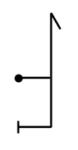
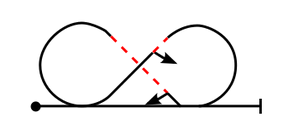
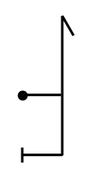
You start a hammerhead by flying straight up until the airplane comes to a stop. You reverse direction at the top, and fly straight down to regain airspeed. Finally you pull out of the dive.
There Wayne was, with the plane on its back. Usually that’s not a problem. But he was spinning down like a seed from a maple tree. There wasn’t much he could do without power though. He did get the Pitts righted, but it hit the ground before he could pick up airspeed. Wayne’s death put a big damper on everything at Henley, including T-6 flights.
Over the next few years, Gary turned Henley into Silverwood, a theme park with all kinds of thrilling rides. I imagine he changed his plans for the Henley because of his brother’s death. The runway did stay open for a few years, but Henley is filled with theme park attractions now.
 Didit.Live